Does it feel like your water bill climbs every summer no matter what you do?
This smarter landscape water management guide shows you where your commercial irrigation dollars really go and how to pull a lot of them back. In two minutes, you’ll have a straight-up plan to stop leaks, dial in schedules, and keep the landscape looking sharp without the budget panic.
Key Takeaways
- Most water waste in commercial irrigation hides underground or inside old programming; walk the site, look at the bills, and you’ll find it.
- Smart controllers vs traditional timers: which saves more money? Smart tech wins because it reacts to weather, not a clock.
- Why commercial properties waste more water than they realize boils down to small, overlooked failures that multiply fast.
- The hidden cost of uneven watering on large landscapes includes plant loss, liability, and phantom water spend nobody budgeted for.
- Stick to a seasonal maintenance checklist for large outdoor spaces and you shift from reactive fire drills to steady control.
- Tracking a simple water budget and sharing it with your landscape crew builds accountability across the board.
I can’t count how many property walk-throughs start with a manager saying, “The grass is green, so we must be fine.” Then we find a valve box full of water that’s been spinning the meter 24/7 for six months. Why commercial properties waste more water than they realize almost always comes down to stuff nobody sees until a bill spikes or a tenant complains. A head twisted toward the loading dock, a drip line chewed by a raccoon, a schedule that hasn’t changed since the building opened. Each one is small. Stack them across a campus, and you’re flushing thousands of gallons a month.
Good news: In commercial irrigation, most of this waste is fixable with a clipboard, a few basic tools, and the willingness to look a little closer.
Let the controller do the thinking
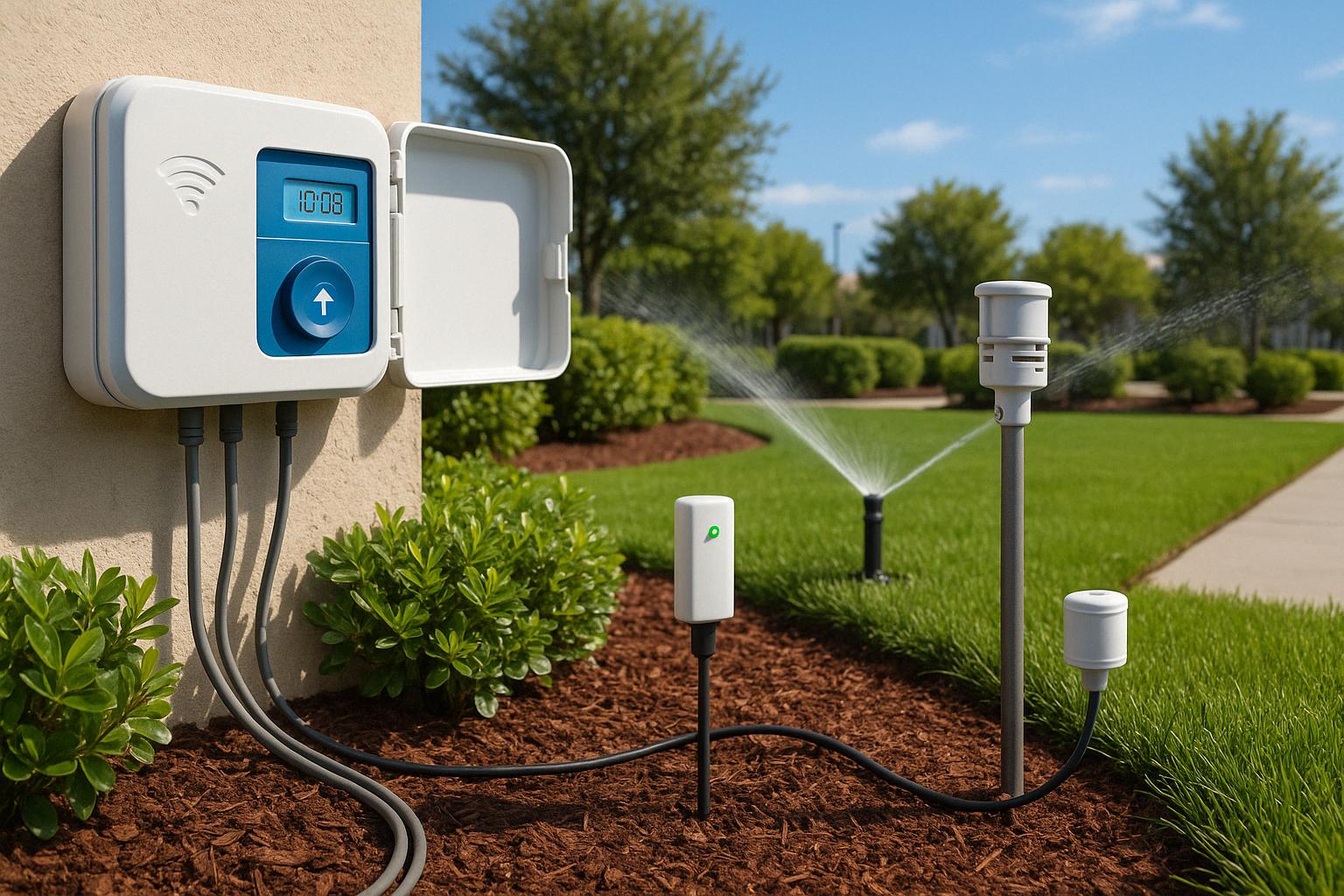
Old-school timers run on blind faith. They fire at 4 a.m. whether a storm soaked the turf or a heat dome is frying the mulch. When you line up smart controllers vs traditional timers: which saves more money, the smart option pays for itself fast. We swapped a 24-zone mechanical timer for a weather-sensing controller at a suburban office park last spring. Outdoor water use dropped 41% before the Fourth of July. The controller cost less than what they were overspending on two months of runoff.
In commercial irrigation, smart controllers aren’t a luxury anymore. They pull local weather data, check soil moisture if you add a sensor, and skip cycles when the ground already has enough. A basic timer might save you $300 upfront, but the long bleed from overwatering, sick plants, and callbacks will eat that ten times over. Check with your water provider and give rebates that cover a chunk of the upgrade.
The Patches You See, and The Bills You Don’t
Brown spots next to soggy green islands aren’t just a curb-appeal headache. The hidden cost of uneven watering on large landscapes hits your maintenance budget in quiet, steady ways. Soggy turf gets fungus, so now you’re paying for fungicide and sod replacement. Dry slopes kill shrubs, and every dead plant shows up on the landscaping invoice. Pooling water on walkways? That’s a slip-and-fall risk and a conversation you don’t want with your insurance carrier.
Most of the time, uneven watering comes back to pressure or mismatched hardware. One zone blasts at 60 psi while the neighbor barely whispers at 25. A quick catch-can test puts matching cups across a zone, runs the sprinklers for 10 minutes, and measures the depth tells you everything. When you fix the uniformity, you stop pouring commercial irrigation water onto pavement and into liability problems.
The Maintenance Rhythm that Stops Surprises
Water needs to shift with the seasons, but most clocks stay frozen in July mode year-round. Use a seasonal maintenance checklist for large outdoor spaces to turn chaos into a routine your team can follow.
Spring
- Walk every zone and flag broken heads, clogs, and sprays hitting hardscape.
- Flush lines to clear winter grit.
- Replace rain sensor batteries and check controller programming.
Summer
- Switch to cycle-and-soak on slopes and heavy clay—short runs, repeated with a break.
- Inspect drip emitters; high heat speeds up cracking.
- Track water bills monthly so a spike gets investigated the same week.
Fall
- Dial back run times as nights cool and days shorten.
- Blow out or winterize where freezes hit; drain valves where they don’t.
- Audit the whole system again and write down what needs repair over winter.
Winter (where systems stay on)
- Cut schedules to the bare minimum; many landscapes need just one short cycle every 7–10 days.
- Check for erosion and exposed pipe after storms.
- Use the quiet months to plan turf-to-native conversions that shrink water demand permanently.
When your team hits these boxes at the right time, commercial irrigation stops being a guessing game and starts being a predictable line item you can bank on.
Small moves that pay back big

You don’t need a full system overhaul to make a dent. Try these first:
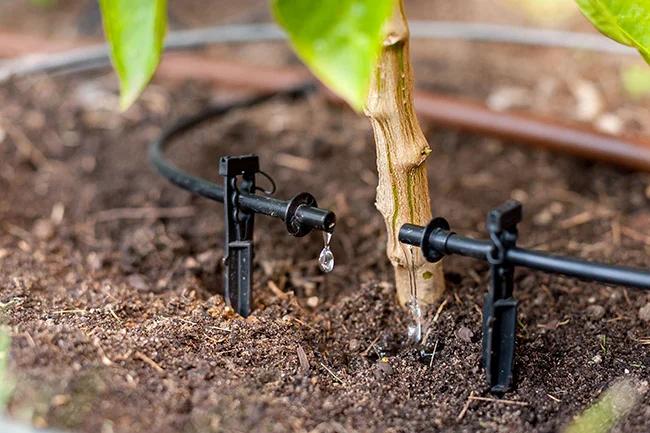
- Convert skinny lawn strips between curbs and sidewalks to drip beds. They’re the hardest spots to water evenly.
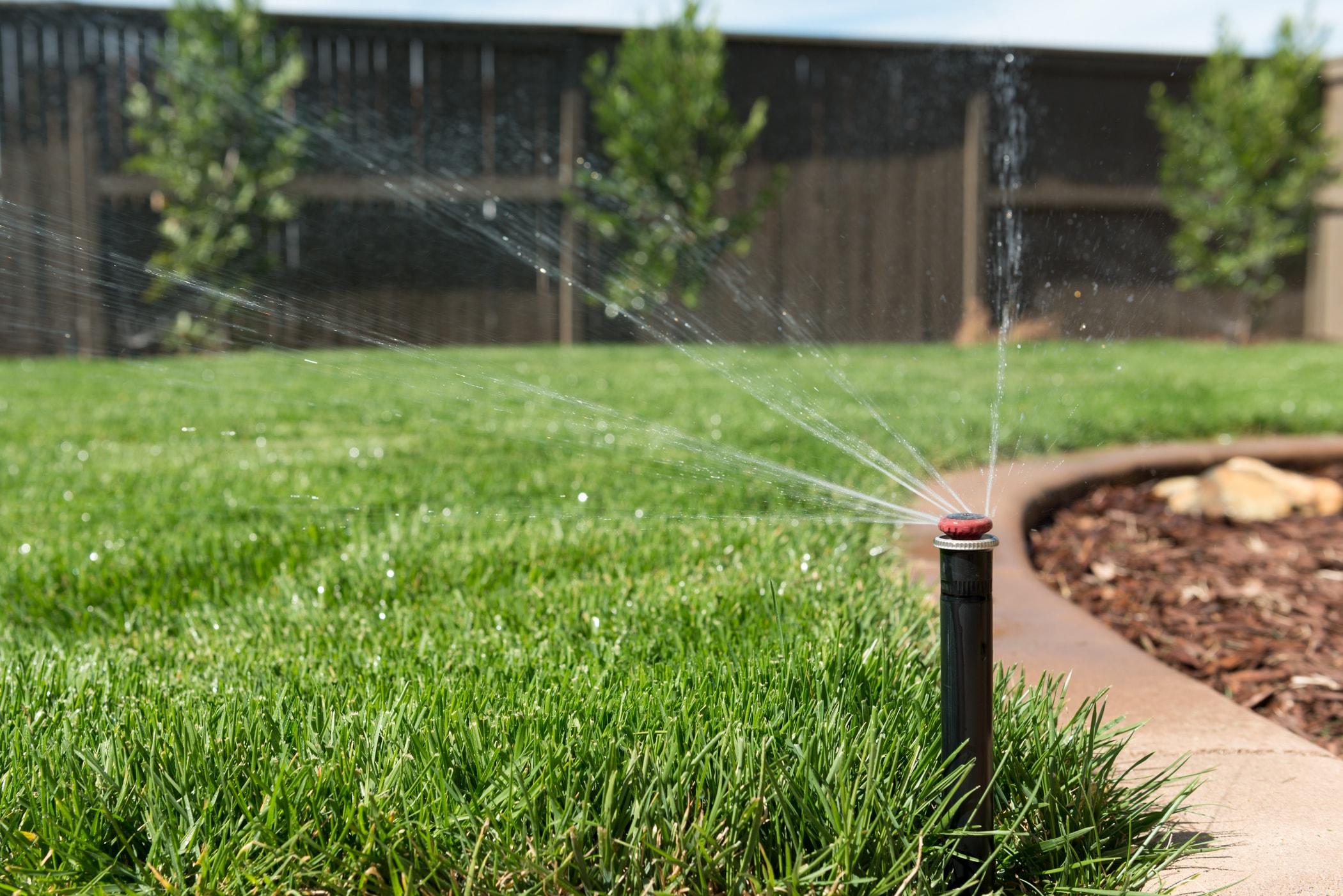
- Install rotary nozzles. Bigger droplets mean less drift and evaporation.
- Check incoming water pressure. If it’s above the heads’ rating, add a pressure-reducing valve.
- Fix puddles the day you spot them. Standing water is a leak or a scheduling issue shouting for attention.
- Mulch planting beds to at least three inches. It cuts evaporation loss by up to 70%.
FAQs
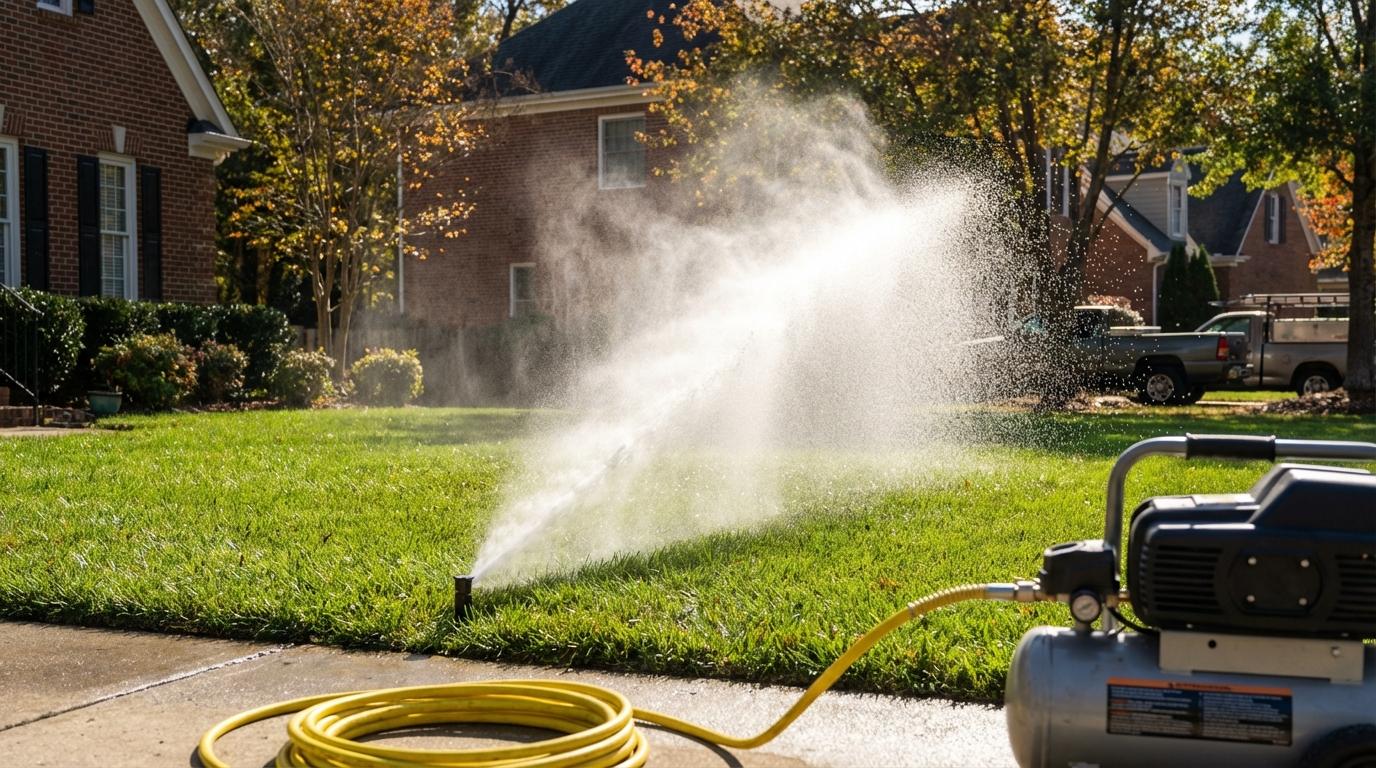
A leak the size of a ballpoint pen tip can send over 6,000 gallons a month down the drain. A stuck valve or a cracked fitting can push that past 50,000 gallons before the bill even twitches.
Almost always. If your valves use standard solenoids, a smart controller can take over. The brains change; the pipes and wires stay.
Place identical straight-sided cups around a zone, run the zone for 10 minutes, and compare the water depth. A difference over 20% means you’ve got a uniformity problem to chase.
In cold-winter zones, you’ll winterize and shut it down. In mild, dry winters, cut to one short cycle every week or two just enough to keep roots alive.
Yep. Call us. We’ll come look at your yard. No pressure. Just honest advice.
Wrapping it up
We don’t expect every property manager to become an irrigation expert overnight. But we do know, from years of fixing the mistakes and finding the leaks, that a little curiosity and a good routine go a long way.
At Kinsley Irrigation, we’ve watched properties cut their outdoor water spend in half just by following the steps in this guide. If you ever want a second set of eyes on your system, or you’re ready to stop letting water dollars seep away unnoticed, our commercial irrigation Maple Ridge team is here to help you put this smarter landscape water management into practice.