Protect Your Drinking Water with Certified Backflow Testing Services
Backflow prevention assemblies help protect the potable water supply by stopping irrigation water, fertilizers, pesticides, soil contaminants and stagnant water from flowing backward into the drinking water system.
Kinsley Irrigation provides backflow testing in Maple Ridge for irrigation systems for commercial landscapes, residential properties, strata communities, and managed facilities. Testing helps confirm that your backflow prevention assembly is operating correctly and supports local annual testing and reporting requirements.
In Maple Ridge, property owners are responsible for annual backflow prevention assembly testing, and testing reports must be submitted to the Building Department for review. Where testing is required, it should be completed by a certified backflow assembly tester.
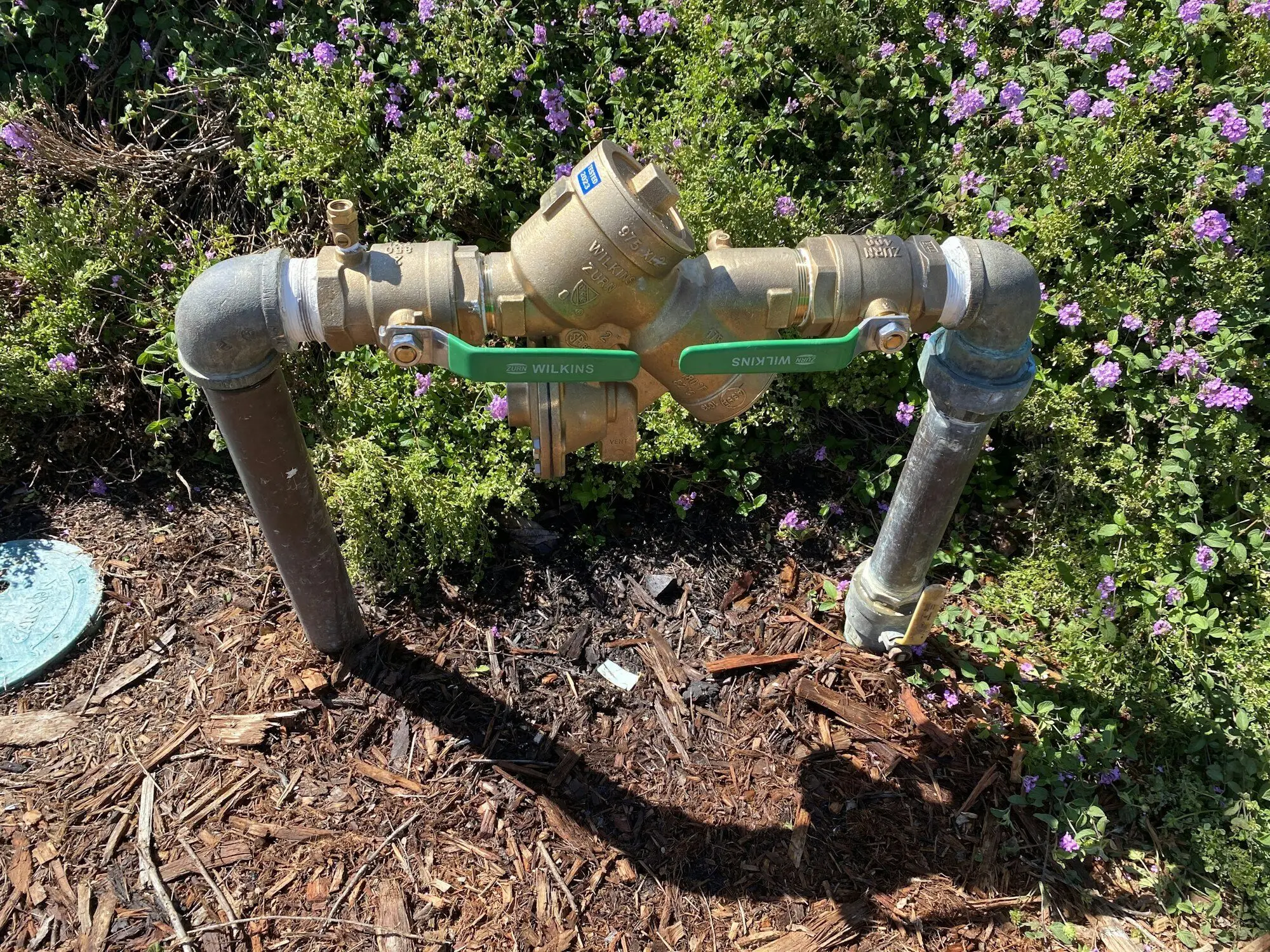
Backflow testing is not just a routine irrigation service. It is an important water protection requirement for properties with backflow prevention assemblies.
The City of Maple Ridge states that property owners are required to test backflow prevention assemblies annually. Testing must be completed by certified testers, and testing reports are submitted to the Building Department for review.
For irrigation systems, this is especially important because sprinkler and landscape systems can create cross connection risks if backflow protection is missing, damaged or not working properly.
Common backflow prevention assemblies used in water and irrigation systems can include double check valve assemblies, reduced pressure zone assemblies and pressure vacuum breakers, depending on the property and risk level.
A backflow preventer is a specialized device installed within an irrigation or water system to stop contaminated water from flowing backward into the municipal drinking water supply.
Without a properly functioning backflow prevention assembly, substances such as:
Could potentially enter the drinking water system under certain backpressure or backsiphonage conditions. Backflow prevention devices are designed to protect public health and are often required by local municipalities and water authorities.
We identify the backflow prevention assembly and inspect visible components for leaks, corrosion, wear, damage or installation concerns.
Using approved backflow testing equipment, the assembly is tested to check whether it is operating correctly and providing the required protection against backflow.
The tester checks pressure readings, valve function and assembly performance according to the relevant testing procedure.
Testing results are recorded on the required backflow prevention assembly test report so the property owner has documentation for review or submission.
If the assembly fails testing, the issue is explained clearly and recommendations are provided for repair, replacement or retesting.
In BC, backflow assembly tester certification is connected with BCWWA and Cross Connection Control. BCWWA says individuals with an active BCWWA backflow assembly tester certificate are certified to test backflow prevention assemblies and are recognized by BC communities with Cross Connection Control programs as qualified testers.
For property owners, strata councils and commercial facilities, this means backflow testing should not be treated as a general irrigation check. It should be completed by a certified backflow assembly tester with the correct training, equipment and reporting process.
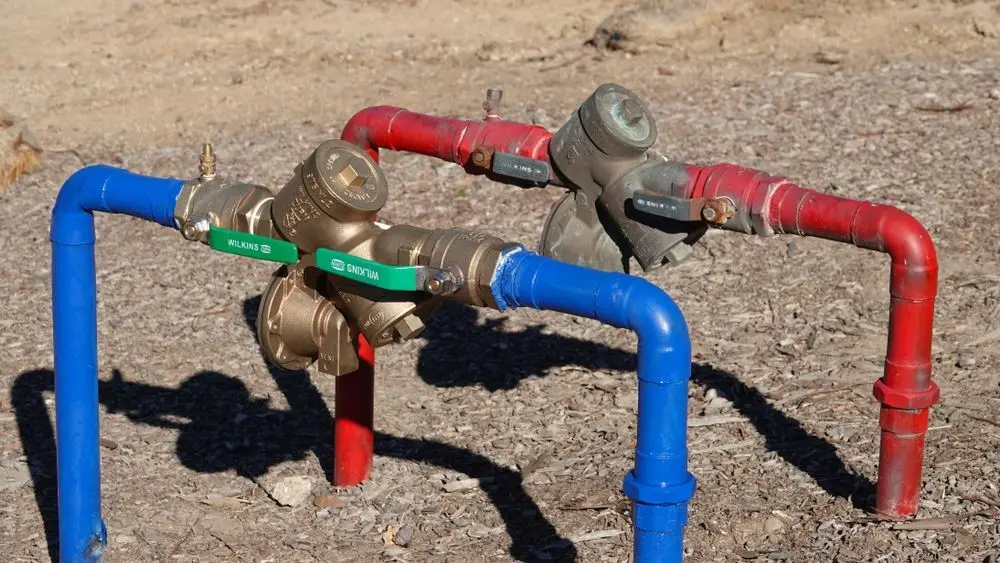
Backflow testing may be required for properties with irrigation systems, fire protection systems, commercial plumbing systems or other water connections where cross connection risks exist.
For irrigation related backflow testing, this can include:
After the backflow test is completed, the results are documented. If the assembly passes, the report can be submitted according to the applicable local requirement. If the assembly fails, repair or replacement may be needed before the device is retested.
In Maple Ridge, backflow testing reports are submitted to the Building Department for review.
Kinsley Irrigation provides backflow testing support across Maple Ridge and nearby communities, including:

We understand how irrigation systems, sprinkler zones, valves and backflow prevention assemblies work together to protect potable water.

We understand that Maple Ridge property owners may need annual backflow testing and proper report submission for review.

We support strata councils, property managers, commercial businesses, parks and home irrigation system facilities related backflow needs.

If testing identifies irrigation related issues, we can help with repairs, maintenance, spring irrigation start up, irrigation winterization and system upgrades.

Backflow testing should include proper documentation so property owners understand the test outcome and next steps.
Protect your drinking water and stay on top of annual backflow testing requirements with professional backflow testing support from Kinsley Irrigation.
We help homeowners, strata properties, commercial facilities and managed landscapes understand testing requirements, arrange proper documentation and address irrigation-related backflow concerns.
Most backflow prevention assemblies should be tested annually, although specific requirements may vary depending on the property and local regulations.
Residential irrigation systems, commercial properties, strata developments, sports fields, and many industrial facilities may require regular backflow testing.
If a device fails, the problem is identified and recommendations are provided for repair or replacement before retesting.
Yes. A malfunctioning backflow device can increase the risk of contaminants entering the drinking water system under certain conditions.
In many cases, yes. Irrigation systems are commonly required to have backflow prevention devices to protect municipal water supplies.
Absolutely. We provide Commercial Backflow Testing Services for businesses, strata properties, parks, sports fields, and commercial facilities.
Yes. The City of Maple Ridge states that property owners are required to test backflow prevention assemblies annually, with testing completed by certified testers and reports submitted to the Building Department for review.
Backflow testing should be completed by a certified backflow assembly tester. BCWWA states that people with an active BCWWA backflow assembly tester certificate are certified to test backflow prevention assemblies.
In Maple Ridge, backflow prevention assembly testing reports are submitted to the Building Department for review. Property owners should confirm the current submission process with the City or their tester.
A backflow preventer is the general term many property owners use. A backflow prevention assembly is the more formal term often used in testing, compliance and reporting. The assembly may include check valves, shut-off valves and test ports that allow a certified tester to confirm whether the device is working properly.
Irrigation systems may use different types of backflow protection depending on the property and risk level, including double check valve assemblies, reduced pressure zone assemblies and pressure vacuum breakers.
