Late April in Ontario is easy to recognise. The snow is gone, the ground starts to smell like soil again, and the first birds show up. Not long after that, the tulips begin to bloom. That’s usually the sign that spring has really arrived and that it’s time to turn your sprinkler system back on.
If you want your lawn and garden looking their best for tulip season, your irrigation system needs a proper start-up. It doesn’t have to be complicated, but it does need to be done carefully. This guide walks through the process step by step, based on real experience, so you can avoid leaks, broken heads, and unnecessary stress and get your system running smoothly for the season ahead.
Why Bother With a Gentle Start-Up?
Look, I get the temptation. You’re busy, spring is crazy, and you just want to flip a switch. But after a winter like ours, your irrigation system is a bit like us on a Monday morning it needs to ease into the day. Pipes have been frozen, little creatures might have nibbled on wires, and things just settle. A careful start-up is like a good stretch. It finds the little aches before they become big problems. It saves you from a shocking water bill due to a hidden leak, protects your foundation from a surprise flood, and makes sure every tulip gets a drink without drowning. It’s the first, most important step to getting your yard ready for the Canadian Tulip Festival Season.
Your Step-by-Step, No-Stress Sprinkler Wake-Up Call
Grab a coffee, your trusty flat-head screwdriver (that one from the junk drawer is fine), and let’s go.
Step 1: The Look-Over (Before the Water Flows!)
Do not, I repeat, do NOT go near that timer box on the wall yet. Our first job is a visual scout.
- Take a Walk: Stroll around your yard. Look for sprinkler heads that look cracked, smashed by a snowplow, or are tilting like the Leaning Tower of Pisa. Stick a little flag (a popsicle stick works) by any you find so you remember later.
- Peek in the Valve Boxes: Those green plastic lids in your lawn? Pop them open (a screwdriver can pry them up). Clear out the old leaves and gunk. Just make sure everything looks generally intact. No swimming pools in there, please.
- Say Hi to the Backflow Preventer: That’s the ugly metal thing sticking out of your house, usually near your outdoor tap. Make sure it’s not obviously broken and that all its little handles are still in the “off” position they were left in last fall.
The EPA WaterSense sprinkler guide also recommends checking for damaged heads and leaks before turning systems on each spring.
Step 2: The Main Event – Water On (Go Slow!)

Here’s the most critical step to avoid a disaster. We’re filling the pipes slowly.
- Find the Main Shut-Off: This is usually in your basement, where a pipe branches off to go outside. It’s often a ball valve.
- The “Halfway” Trick: Instead of yanking it fully open, just turn it halfway. Listen. You’ll hear a gentle rush of water filling the empty pipes. Let it sit like this for a good two minutes. This lets the air push out of the system gently. Then, you can turn it all the way on. Patience here prevents pipes from going BANG!
Step 3: Zone-by-Zone Checkup (The Fun Part)
Now we test each section of your yard manually. Your controller is still off. We’re doing this old-school at the valve boxes.
Getting your sprinklers ready isn’t just another chore. It’s the opening act for the best gardening season we have. It’s about stepping outside on a cool may morning, hearing the quiet whir-chk-chk-chk of your system doing its job, and knowing your garden is getting the head start it deserves for a spectacular display.
As Ottawa bursts into colour for the Canadian Tulip Festival Season, you’ll have the peace of mind that your own little piece of Ontario is thriving, efficiently and beautifully. So here’s to less time worrying about watering, and more time enjoying the view from your porch. Happy gardening, and enjoy every moment of the Canadian Tulip Festival Season in your own backyard.
1) Go back to a valve box. Each pipe has a valve with a small plastic knob or screw (the “bleed screw”).
2) For one zone, slowly turn that screw counter-clockwise about one turn. You’ll hear a big hiss of air that’s good! Let the air bleed out until a steady stream of water comes out.
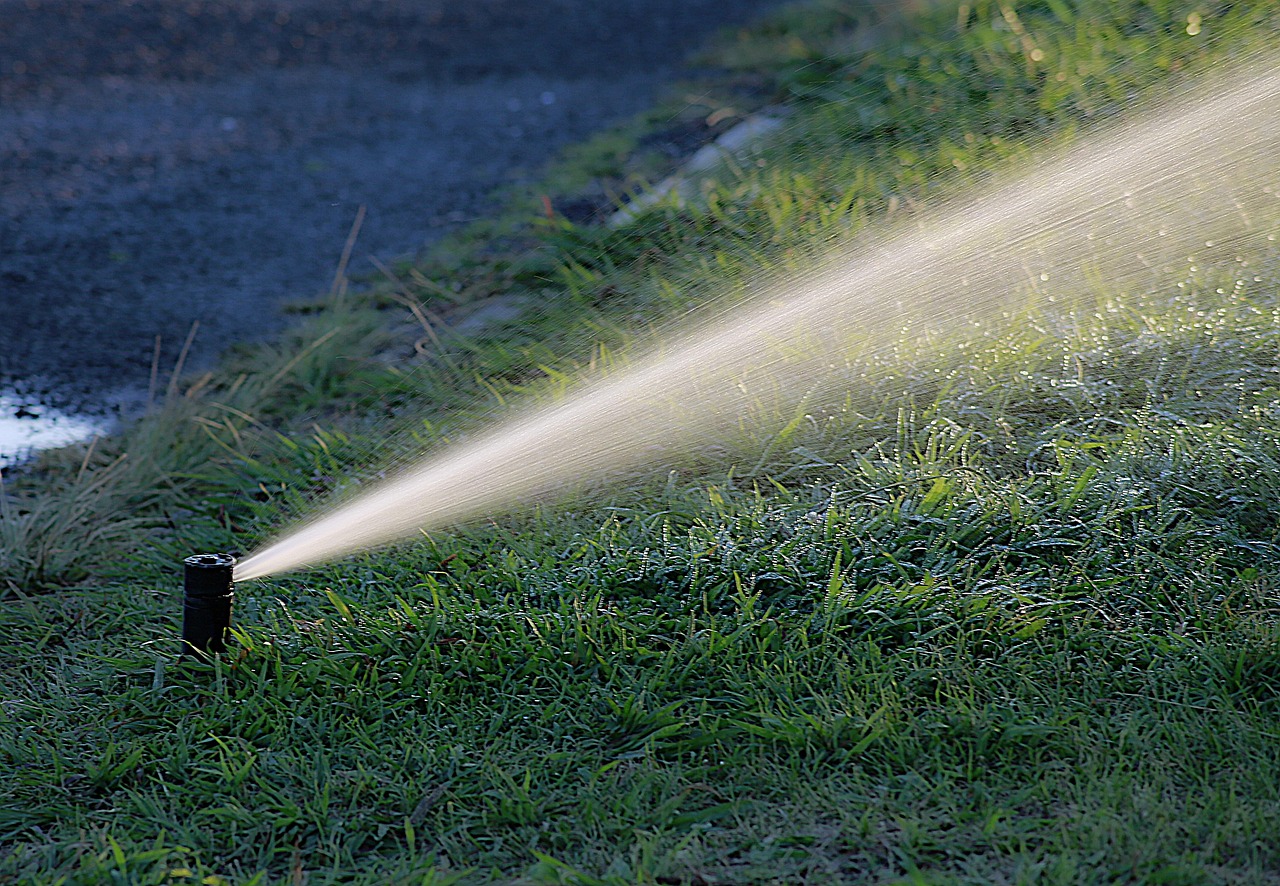
3) Now, jog over to where those sprinklers are. Watch them wake up! This is your detective moment.
- Look for Geysers: A broken pipe or head will be obvious. It’ll look like a mini-Ottawa fountain, and not in a good way.
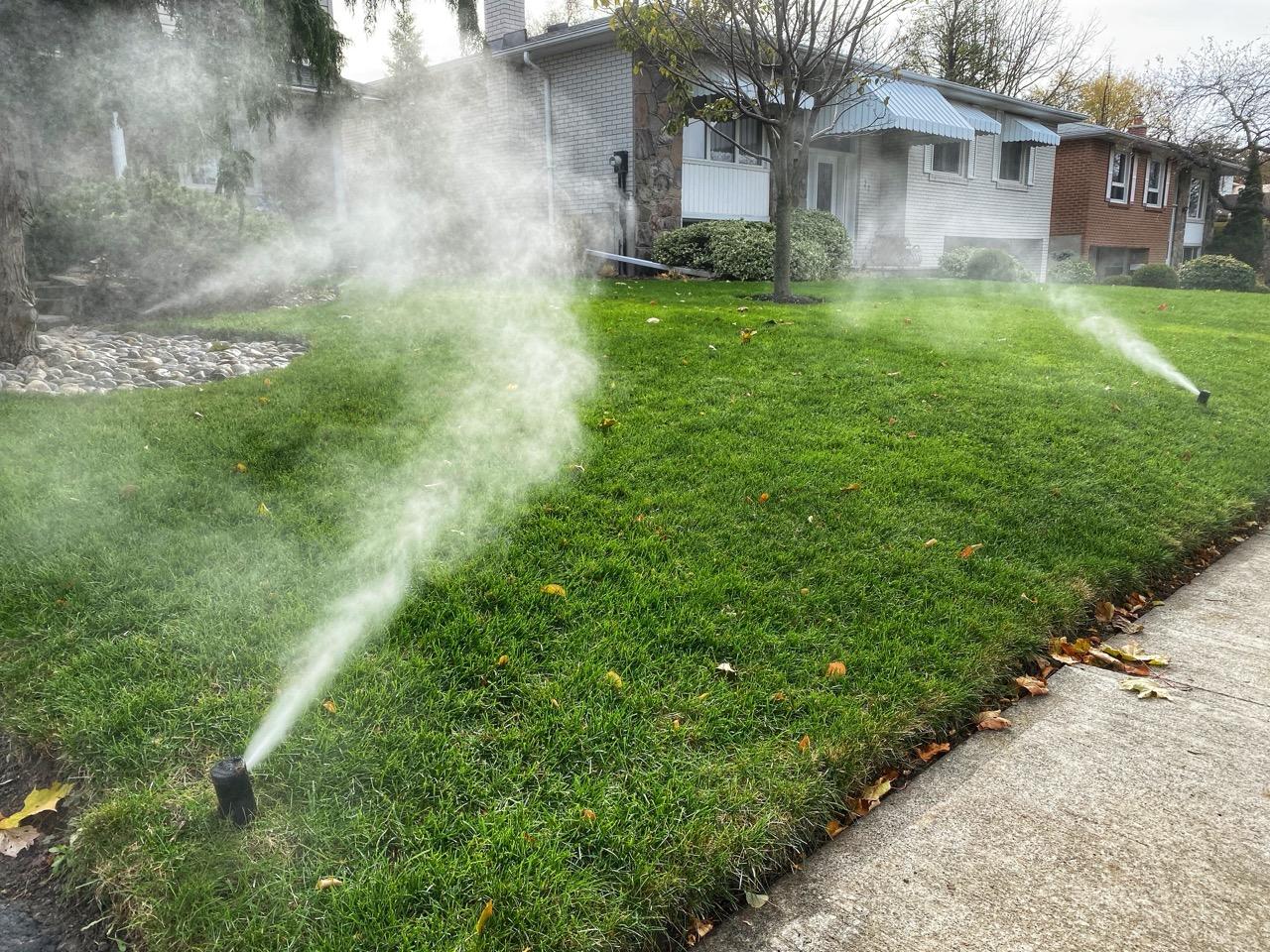
- Watch the Spray: Are all the heads popping up? Are they watering your driveway more than your daffodils? Make notes.
- Listen: A constant hissing sound when the zone is off might mean a leak.
4) Once you’ve checked the whole zone, go back and tighten the bleed screw. Repeat this for every zone in your yard. Yes, it takes time, but it’s the only way to truly know what’s happening.
Step 4: Programming the Brain (The Timer)
Alright, now you can go to that box on the wall. Dust it off.
- Update the Time & Date: Seriously, do this. My system once watered at 2 PM for a week because I forgot.
- Start Spring-Soft: In spring, especially during the Canadian Tulip Festival Season, your lawn doesn’t need a deep summer schedule. Start with watering just once or twice a week, in the early morning (like 5 or 6 AM). This saves water and fights off fungus.
- Consider a Rain Delay: If your controller has a “rain delay” button, use it after a good spring shower! Your tulips will thank you.
If your older setup struggles with timing, coverage, or efficiency, it may be worth looking into irrigation upgrade before summer heat arrives.
Step 5: The Final Touches
- Give ‘Em a Lift: See any sprinkler heads buried in soil? Gently dig around them and raise them to be level with the lawn.
- Aim the Nozzles: Take a minute to adjust any heads spraying the sidewalk. There’s usually a tool on the head itself to adjust the arc.
- Mulch Your Beds: A fresh layer of mulch in your garden beds holds moisture, so you’ll need to water less often. Professional irrigation system installers can also help fine-tune coverage and efficiency if your system has ongoing trouble spots.
Talking Tulips & Watering Smarts
Since the Canadian Tulip Festival Season is our inspiration, let’s talk about those stars of the show. Tulips are pretty low-key. They don’t like wet feet.
- Make sure the zones watering your tulip beds are delivering water to the soil, not drenching the flowers and leaves.
- Well-drained soil is their best friend. If you puddle, you’re in trouble.
- After the blooms fade, keep watering the green leaves until they turn yellow. That’s how the bulb stores energy for next year’s show.
When to Wave the White Flag & Call a Pro
This guide gets you 95% of the way. But some jobs need an expert. Call a friendly local irrigation company like Kinsley Irrigation if:
- You find a major leak you can’t easily fix.
- Yur backflow preventer is leaking or looks corroded (this is a safety device for your drinking water don’t mess with it).
- Nothing happens when you try to manually turn on a zone. There might be an electrical gremlin.
Wrapping It Up
Getting your sprinklers ready isn’t just another chore. It’s the opening act for the best gardening season we have. It’s about stepping outside on a cool may morning, hearing the quiet whir-chk-chk-chk of your system doing its job, and knowing your garden is getting the head start it deserves for a spectacular display.
As Ottawa bursts into colour for the Canadian Tulip Festival Season, you’ll have the peace of mind that your own little piece of Ontario is thriving, efficiently and beautifully. So here’s to less time worrying about watering, and more time enjoying the view from your porch. Happy gardening, and enjoy every moment of the Canadian Tulip Festival Season in your own backyard.