You know that feeling. It’s July. You’re out back, hose in hand, dragging sprinklers around because the grass is getting crispy. Or maybe you’ve got an old timer on your system that just runs every Tuesday no matter what even if it rained Monday night. And you’re standing there thinking, there’s gotta be a smarter way.
Yeah, there is.
These smart irrigation systems have been around for a bit now. More folks are trying them out. But the real question is: are they actually worth the money? Or is this just another fancy toy that sounds good but doesn’t really help?Over at Kinsley Irrigation, we’ve put in hundreds of these things. We’ve seen what works, what’s a waste, and who really saves money. Let me just break it down for you.
Key Takeaways
- Smart systems water based on what's actually happening-weather,soil moisture, your plants.
- Compared to old timers, they can cut your outdoor water use by 20 to 50 percent.
- Most homeowners get their money back in a year or two. Then it's just savings.
- Inground irrigation with a smart controller? That's the easiest and most efficient setup you can get.
- If you're busy, travel a lot, or just hate high water bills, yeah, they're worth it.
What's a smart irrigation system anyway?
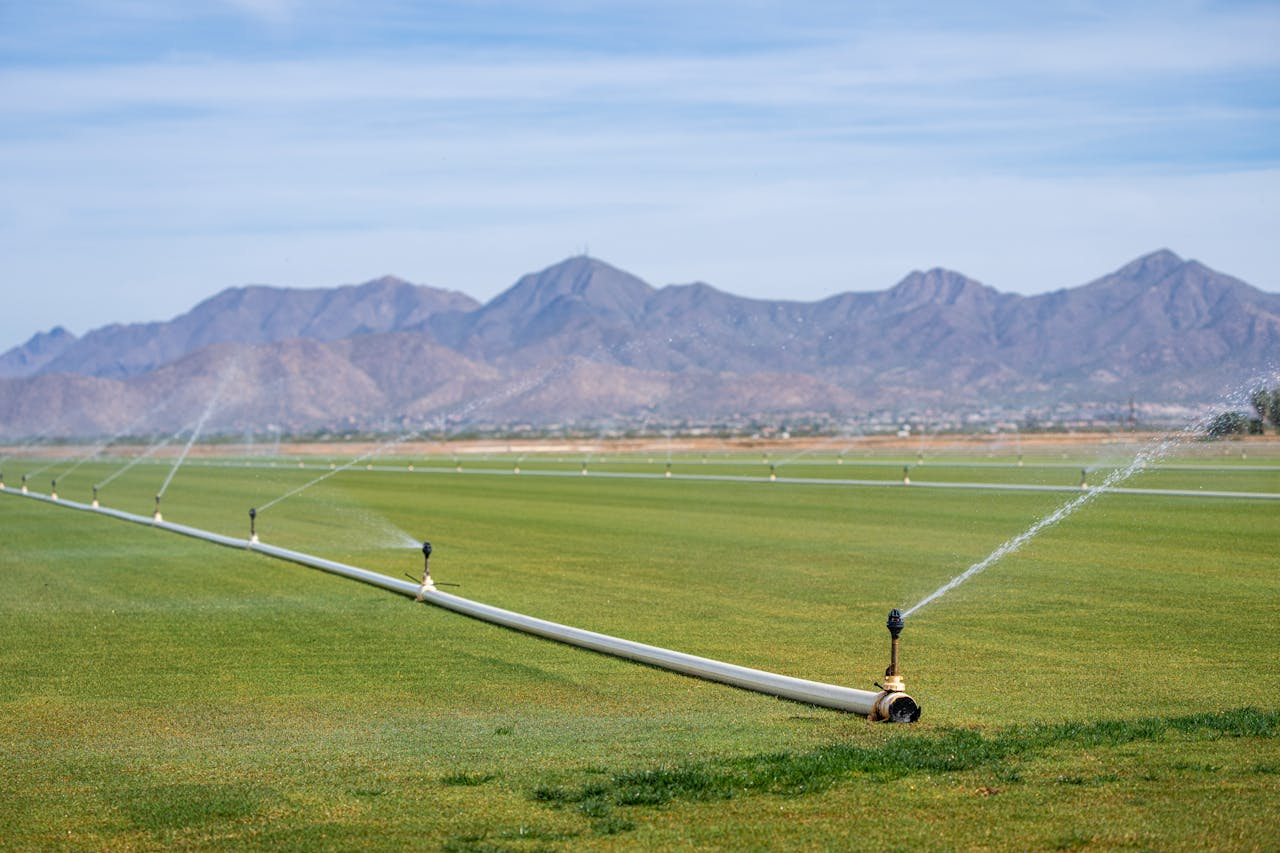
A regular sprinkler system just runs on a timer. You punch in the days and minutes. It doesn’t care if it rained last night or if a heatwave’s coming. It just runs.
Dumb as a brick.
A smart system is different. It actually looks at real‑time data to decide when to water and how much. Some pull local weather forecasts. Some have little sensors in the ground that check moisture. Others just learn your yard over time.
The controller hooks up to wifi. You can tweak it from your phone, see what’s going on, get alerts if something’s wrong. Some even work with Alexa or Google Home.
So instead of guessing, you’ve got a system that actually thinks a little.
How much water can you really save?
This is the big question. And the answer depends on where you live, what you’re watering, and how badly your old system was wasting water.
But here’s what studies and real world installs have shown:
- Basic timer system: It is frequently more than 30%-50% over in waters that people set and forget.
- Smart controller with weather data: Saves 20%-30% on average.
- Smart controller that has soil moisture sensors: Saves 30%-50% or more.
For a typical home in Canada, that could mean saving 10,000 to 30,000 litres of water a year. On your bill, that’s $50 to $200 annually, depending on local water rates.
Multiply that five or ten years, and it is adding quickly.
What of the initial price?
A Smart controller alone can be as much as $150 to 300. That is only when you have an inground irrigation system but you simply need to change the old timer.
When you do not have sprinklers at all, you will have to install a complete system of inground irrigation. That is a greater investment. You could be spending 2000 to 5000 or more depending on the size of your yard.
Now this is the point. Majority of individuals do not install smart controllers to conserve water. They put them to make it convenient, to have a peace of mind and have their yard healthy without thinking about it.
The water savings are an added advantage. A nice bonus.
Who benefits the most?
- Busy homeowners. You don't have time to fiddle with sprinklers. You travel for work. You just want it to work. A smart system handles everything.
- People with high water bills. If your summer bills make you wince, a smart controller will pay for itself fast.
- Gardens with mixed plants. Lawns need different water than flower beds. Smart systems can run separate zones with different schedules.
- Anyone with an old, dumb timer. Those basic controllers waste a ton of water. Upgrading is a no brainer.
- Folks who want to be greener. Saving water matters. A smart system does it automatically.
Are there any disadvantages?
Yeah, a few. Nothing big, but should know.
- Wifi dependency. Should your internet connection slow down, the affected controllers still operate on a backup program, however, you lose the intelligent capabilities. Not much, but to consider.
- Installation is delicate. You are required to enter the details of your yard; sun exposure, soil type, plants. Takes an hour or two. Not difficult, but it can be annoying to some people.
- Sensor placement matters. Soil moisture sensors can only work when installed in the appropriate locations. A bad placement gives bad data.
- Not all controllers are equal. Cheap ones have clunky apps. Do your research or ask a pro which brand they recommend.
What should you look for in a smart controller?
If you’re shopping, here’s what matters.
- Weather integration. Look for one that pulls local weather data automatically. You don't want to program in rainfall manually.
- Zone by zone control. Different areas of your yard need different watering. Make sure you can set separate schedules for lawn, garden, shady spots, sunny slopes.
- Easy app. Read reviews. Some apps are terrible. You'll use this thing on your phone a lot. Compatibility with your existing system. Most smart controllers work with standard 24V sprinkler valves. But check before buying.
- Good support and warranty. Brands like Rachio, Hunter, and Rain Bird are solid. They've been around.
A good sprinkler system installer can help you choose the right one for your yard.
Can you install it yourself?
If you’re just swapping a controller, yes. Most smart controllers are designed for DIY. You take the old timer off the wall, label the wires, and connect them to the new unit. The app walks you through setup.
If you’re installing a whole new inground irrigation system, no. That’s a job for professionals. You need trenching, pipe laying, valve wiring, head placement—lots of things that can go wrong if you’re not experienced.
That’s where Kinsley Irrigation comes in. We design and install full systems, and we can add smart controllers from the start. Or we can upgrade your existing dumb timer to something smarter.
The bottom line: Are they worth it?
For most people, yes.
If you already have an inground irrigation system with a basic timer, upgrading to a smart controller is cheap and pays for itself in water savings within a year or two.
If you’re putting in a new system, it would be silly not to go smart from the beginning. The added cost is small compared to the convenience and savings.
The only people who might not benefit are those with tiny yards who hand water everything. Or folks who really enjoy standing in the yard with a hose every evening.
For everyone else? Smart irrigation is worth it.
FAQs
A smart controller alone is $150 $300. A full inground irrigation system with smart features runs $2,000 $5,000 depending on yard size.
Yes, as long as your current system uses standard 24V valves. Most do. You just replace the old timer.
Yes. Most homeowners see a 20 50% drop in outdoor water use. The savings usually cover the controller cost in one to two seasons.
Brands like Rachio and Hunter are very popular. Rain Bird also makes good units. But better to ask your sprinkler system installer what they recommend for your area.
Only if you’re installing a whole new inground irrigation system. For just swapping the controller, many homeowners do it themselves.
Yes. You can manually set it to follow local rules. Some controllers even integrate with municipal water restrictions automatically.
Wrapping it up
Smart irrigation systems aren’t a gimmick. They actually work. They save water, save money, and save you from having to think about your sprinklers every day.
If you’ve got an old timer that’s been running the same schedule for years, you’re probably wasting water and money. Upgrading is easy and pays off fast.
If you’re building a new inground irrigation system, definitely go smart from the start. The extra cost is small, and you’ll never have to worry about watering again.
At Kinsley Irrigation, we’ve been helping homeowners in Canada make the switch. We can install a full system or just upgrade your existing controller. Contact us, and we’ll figure out what makes sense for your yard.
Your grass will be greener. Your water bill will be lower. And you’ll wonder why you didn’t do it sooner.