You walk outside and there it is. Patchy lawn. Some spots lush and green. Others brown and crispy. Maybe a few puddles in one corner while the rest looks dry.
You water regularly. You have a system. So why does your lawn look like a patchwork quilt?
Uneven watering is one of the most frustrating problems for homeowners. You put in the time, pay the water bills, and still end up with a yard that looks half-dead. The thing is, it is rarely a mystery. There are usually clear reasons why some areas get too much water and others not enough.
Let me walk you through the most common causes. Simple stuff you can check yourself. And when you need to call Kinsley Irrigation
The Sprinkler Head Problems Nobody Notices
First place to look is your sprinklers themselves. They sit there year after year, popping up and doing their job. But they do not stay perfect forever.
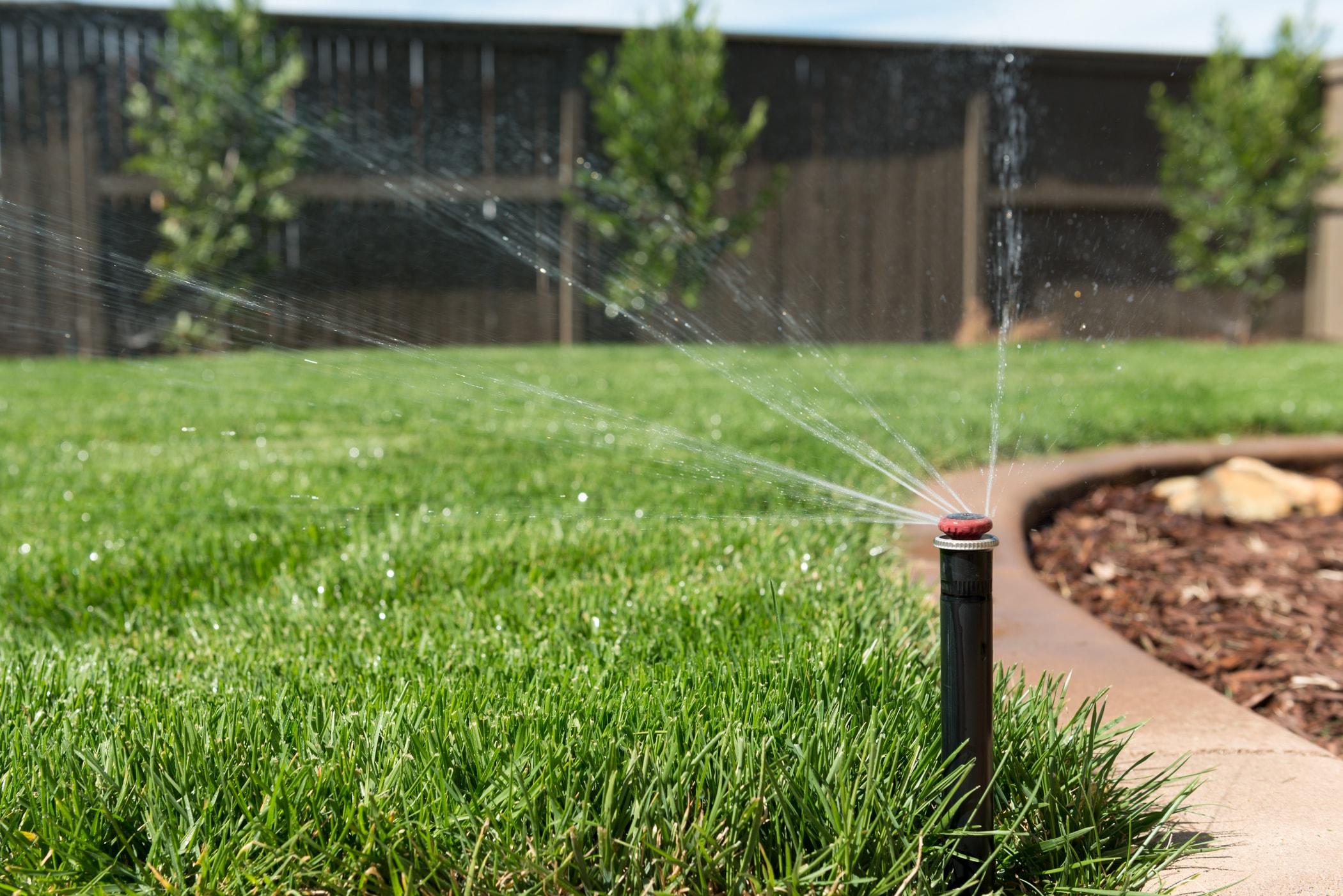
- Broken or damaged heads. Sometimes a head gets hit by the mower. Or a kid steps on it. Or it just wears out. When that happens, you get a geyser instead of a proper spray. Water goes everywhere except where it should. Easy to spot if you watch your system run.
- Clogged nozzles. Dirt, debris, even tiny bits of grass can block the openings. When nozzles clog, water comes out weak or sprays in weird directions. That leaves dry spots nearby. Cleaning them is simple. A toothpick or small wire usually does the trick.
- Heads that are too low or crooked. If a sprinkler head sits below the grass level, the grass blocks the spray. Same if it is tilted wrong. Water hits the grass blades instead of clearing them. Ends up in puddles or wasted.
- Mismatched nozzles. Different heads in the same zone should have the same flow rate. If one throws more water than another, coverage gets uneven. The irrigation system installers can check this and match them properly.
The Pressure Problem
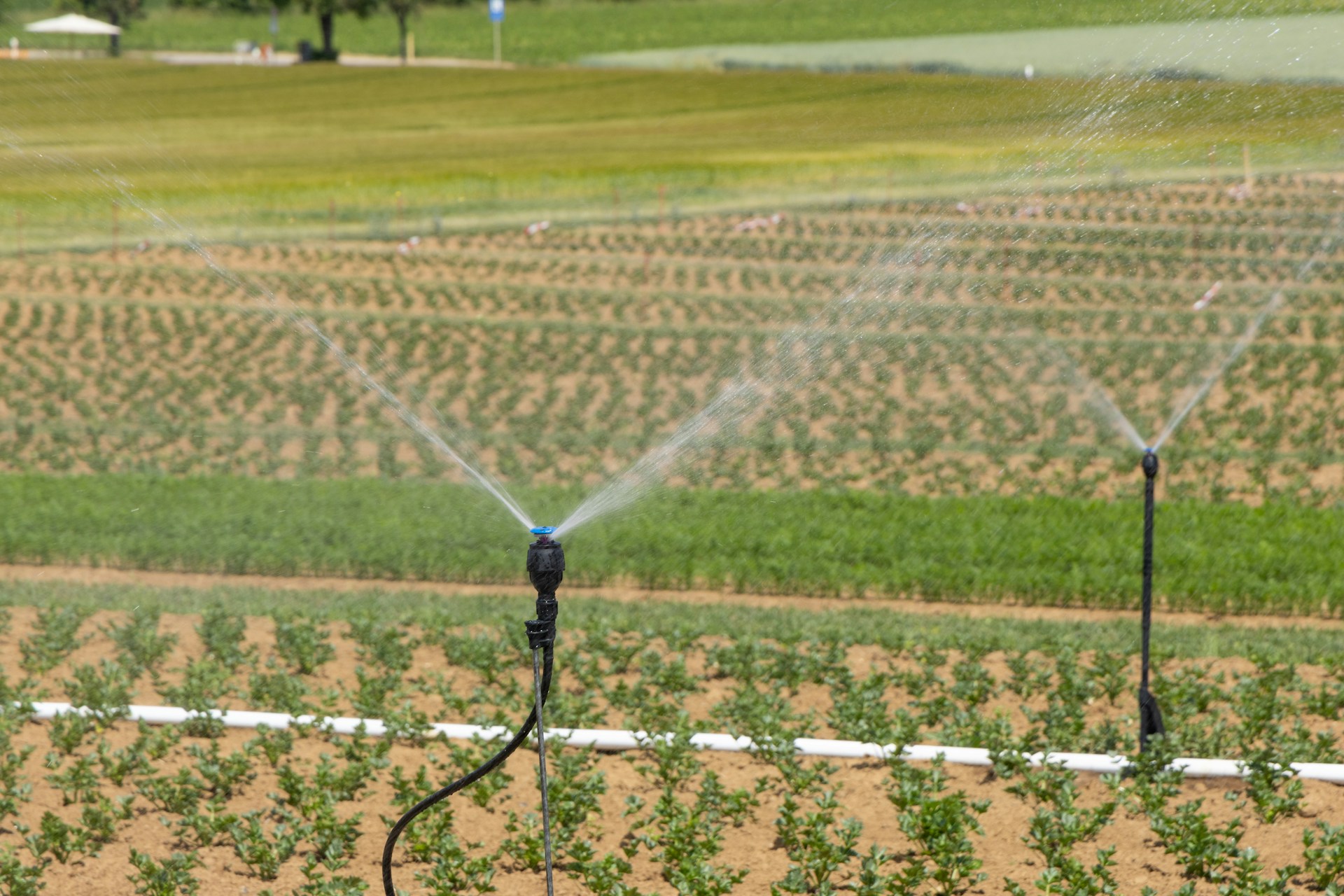
Water pressure is tricky. Too much or too little both cause issues.
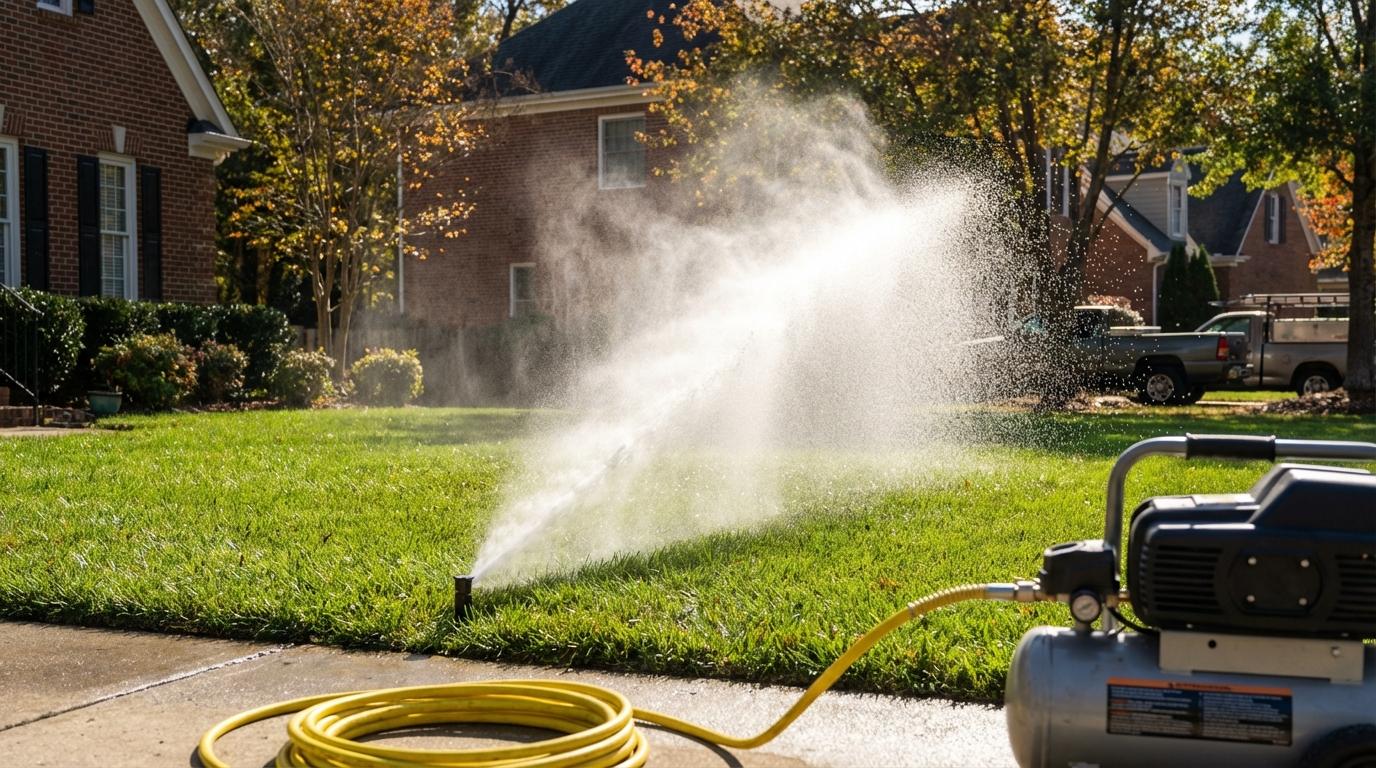
- High pressure. When pressure is too high, sprinklers mist instead of spray. That fine mist blows away in the wind or evaporates before hitting the ground. Water waste and dry spots at the same time. Most residential systems work best between 30 and 45 psi. Municipal water can run 80 psi or higher. Pressure regulators fix this.
- Low pressure. Not enough pressure means heads do not pop up fully. Spray patterns are weak. Coverage suffers. This can happen from leaks, partially closed valves, or pipes that are too small for the system.
- Pressure differences across zones. Sometimes one zone runs fine while another struggles. Could be valves not opening fully. Could be a leak somewhere. A pressure gauge tells the story.
If you suspect underground issues, these leak warning signs can help you spot problems early before water bills climb.
The Valve Issues That Hide
Valves control water flow to each zone. When they misbehave, you get problems.
- Stuck valves. A valve stuck partially open means water trickles through even when the zone is off. You get constantly wet areas while other parts stay dry. Hard to spot sometimes, but look for spots that never seem to dry out.
- Valves not opening fully. If a valve only opens part way, that zone gets reduced flow. Heads do not work right. Coverage suffers. Cleaning or replacing the valve fixes it.
- Leaky valves. Water escaping before it reaches the sprinklers means less for the lawn. Check for wet spots around valve boxes.
The Blockages You Cannot See
Stuff gets in the way. Sometimes you see it. Sometimes you do not.
- Overgrown plants. That shrub you planted three years ago? It might be blocking a sprinkler now. Same with grass that has grown too tall. Trim back anything that blocks the spray.
- Mulch and landscaping materials. Bark chips or decorative stone can get kicked into sprinkler paths. Or piled up against heads. Keeps water from reaching the lawn.
- Tree roots. Roots grow. They can crush or block underground pipes. Reduced flow means dry spots above. Not common but happens in older systems.
The Soil Issues That Make Everything Worse
Sometimes the sprinklers work fine but the soil rejects the water.
- Compacted soil. Heavy foot traffic, equipment, just years of settling. Soil gets hard. Water cannot soak in. It runs off to low spots or just sits on top. Then it evaporates. Roots stay dry. Aerating once or twice a year fixes this.
- Hydrophobic soil. Sounds fancy but it just means water-repellent soil. When soil dries out completely, sometimes it develops a waxy coating. Water beads up and runs off instead of soaking in. Common in hot weather. Wetting agents help break the surface tension and let water penetrate.
- Poor soil composition. Sandy soil drains too fast. Clay soil drains too slow. Both cause uneven moisture. Adding organic matter like compost improves things over time.
- Slopes and mounds. Water runs downhill. Always has, always will. Areas at the top of slopes dry out faster. Areas at the bottom get extra. You might need different watering strategies for different parts of the yard.
The University of Minnesota irrigation guide has excellent tips on balancing watering schedules for different soil types and slopes
The Drip System Problems
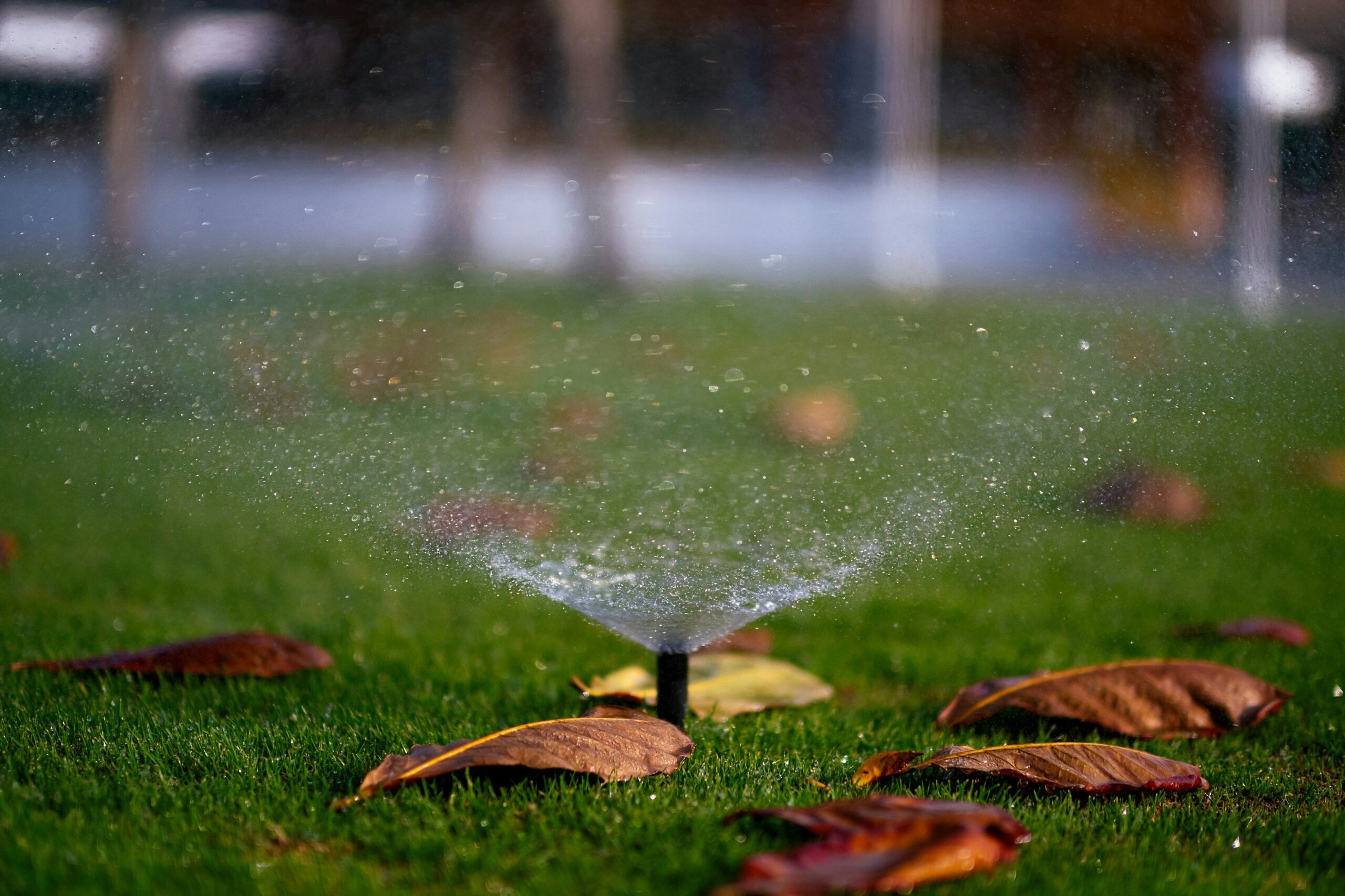
If you have drip irrigation for garden beds, different issues come up.
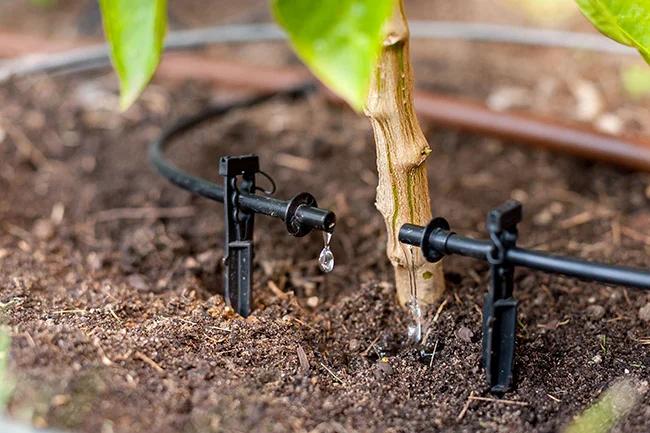
- Clogged emitters. Drip emitters have tiny openings. Sediment, algae, even minerals in the water can block them. Some plants get water, others do not. Flush the system regularly and clean or replace clogged emitters.
- Broken tubing. Rodents sometimes chew drip lines. Lawn care equipment can nick them. Leaks waste water and leave dry spots elsewhere. Walk your lines occasionally and look for wet spots or hissing sounds.
- Emitter placement. Plants grow. Their root zones expand. Emitters that worked when plants were small might not reach now. Adjust and add emitters as plants mature.
The Controller Mistakes
Your irrigation timer might be the problem without you knowing.
- Wrong schedule. Watering little and often is worse than deep, infrequent watering. Shallow watering keeps roots near the surface where they dry out faster. Deep watering encourages roots to grow down where moisture lasts longer.
- Seasonal settings. Lawns need less water in spring and fall than in summer. If you never adjust your controller, you overwater in cool weather and underwater in heat. Use the seasonal adjust feature if your controller has one.
- Clock wrong after power outage. Power flickers, controller resets, time goes wonky. Then your system runs at the wrong time or not at all. Check after storms.
- Rain sensors not working. If you have a rain sensor, test it. Run the system and tap the sensor. It should shut things down. If not, it is broken. Then you are watering in the rain and missing dry spells.
Regular irrigation maintenance helps catch these small controller and scheduling problems before they turn into expensive lawn repairs.
The Environmental Factors
Sometimes it is not the system. It is just how things are.
- Shade patterns. Parts of your yard get full sun. Parts are shaded by house, fence, or trees. Shaded areas need less water. Sunny spots need more. One sprinkler zone trying to do both will always have problems.
- Wind. Wind blows water away from where you aim. Edges of the spray pattern get less. If your area is windy, water early morning or evening when wind is calmer.
- Hot spots. Near driveways, patios, sidewalks. Concrete and pavement absorb heat and radiate it. Grass there dries faster. Might need extra water in those spots.
FAQs
How do I check if my sprinklers are watering evenly?
Do a catch can test. Place empty tuna cans or similar containers around your lawn. Run the system for 15 minutes. Measure water in each can. If amounts vary a lot, you have uneven coverage.
Why do I have brown spots even though I water?
Could be several things. Clogged heads. Blocked spray. Compacted soil that water cannot penetrate. Or hydrophobic soil that repels water. Check each possibility.
How often should I water my lawn?
Deep and infrequent beats shallow and often. Once or twice a week, enough to soak the soil 4 to 6 inches deep. Early morning is best to reduce evaporation.
A professional inspection of your whole system. They check coverage, pressure, efficiency, and find problems you might miss. Recommended every year or two.
Can I fix uneven watering myself?
Many fixes are DIY. Clean nozzles. Adjust head heights. Trim blocking plants. Replace broken heads. But if pressure issues or valves are the problem, call a pro.
Why does my lawn have wet spots and dry spots together?
Usually means distribution problems. Some areas get too much water, others not enough. Could be broken heads, pressure issues, or valves stuck open.
Smart controllers adjust watering based on weather, soil moisture, and plant needs. They can fix some uneven watering issues by watering more precisely. Not a cure-all but helps.
What is a wetting agent and do I need one?
Wetting agents help water soak into soil instead of running off. If your soil repels water, they make a huge difference. Apply in hot weather when soil dries out completely.
Should I water differently on slopes?
Yes. Water runs off slopes before soaking in. Use cycle and soak method. Water in short bursts, let it soak, then water again. More water stays where you want it.
How do I find a good irrigation professional?
Ask neighbours with nice lawns. Check online reviews. Look for licensed irrigators. Ask if they do irrigation audits. A good one will explain what they find and give you options.
The Bottom Line
Look, uneven watering is annoying. But it is rarely a mystery.
Start with the easy stuff. Watch your system run. Look for broken heads, clogs, blockages. Check if some areas get spray and others do not.
If the hardware looks fine, look at the soil. Compacted or water-repellent soil needs fixing before water can do its job.
If you are still stuck, call Kinsley irrigation service. We have meters and tools and experience. We can find problems you cannot see.
A healthy lawn does not happen by accident. It takes a system that works right and soil that accepts water. Get both sorted and those brown spots disappear.
Then you can enjoy your yard instead of worrying about it.