You’ve got your sprinklers set up. You’re watering on a schedule. Doing everything you’re supposed to. But somehow, right in the middle of your lawn, there’s a patch of brown, crispy grass. Rest of the yard looks fine. Just that one spot.
Sound familiar?
We hear this all the time at Kinsley Irrigation. Most folks see dry spots and figure they just need to water more. But here’s the thing: it’s usually not about how much you’re watering. It’s about where that water is actually going.
So let’s talk about why dry spots show up even when you’re watering regularly and what you can do to fix them.
Key Takeaways
- Dry spots usually mean uneven coverage, not enough water.
- Your sprinkler system might be the problem. Clogged heads, low pressure, or bad spacing can leave patches high and dry.
- Soil matters. Compacted dirt, thatch, or even soil that repels water can stop it from soaking in.
- There’s stuff underground you can’t see. Tree roots, buried debris, or a broken pipe can mess things up
- A professional irrigation audit can save you time and money. We’ll find the real cause not just guess.
First Place to Look: Your Sprinklers
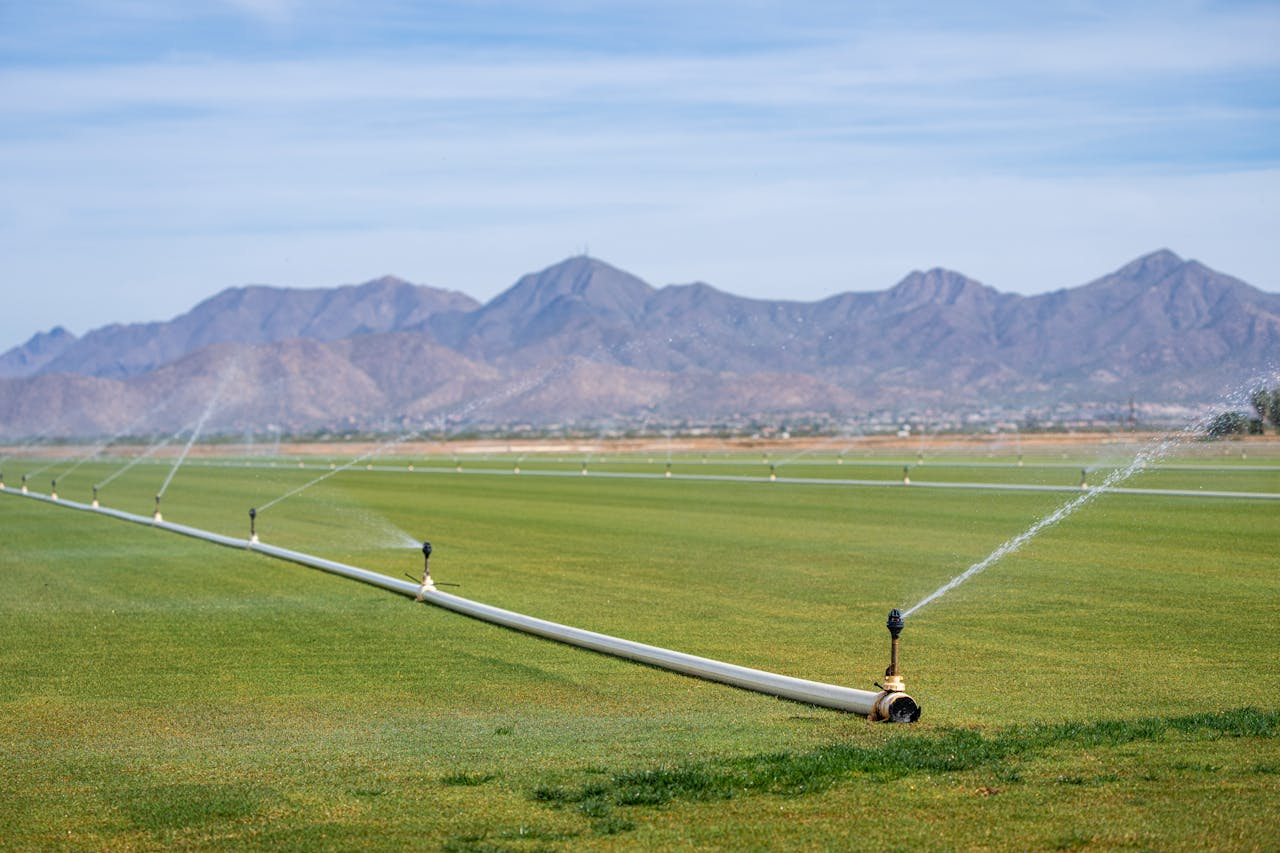
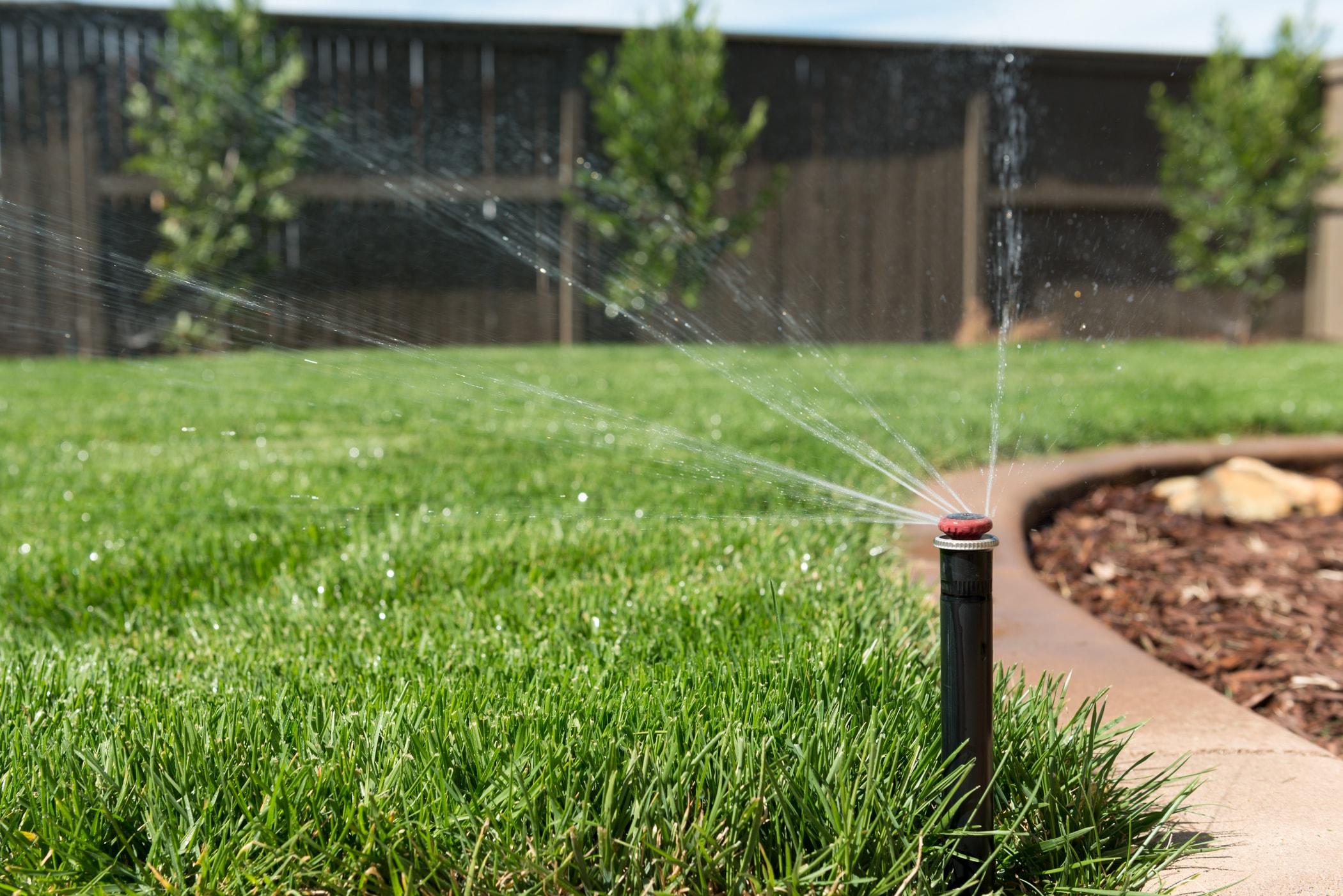
You’ve got a schedule. You’re running the system. But if the water isn’t hitting every part of the lawn, you’ll get dry spots. Simple as that.
Here are the usual suspects.
Clogged or Damaged Heads
Dirt, grass clippings, mineral buildup over time, sprinkler nozzles get gunked up. A head that’s partially clogged might still spray, but not far enough. You end up with a dry patch right next to a wet one
Misaligned or Sunken Heads
A sprinkler head can be knocked off its angle by lawnmowers, foot traffic, settling soil, etc. When it is tilted or is in reverse position, it is not being covered.
Low Water Pressure
When the pressure is too low, heads will not come up, or will squirt only half as far on them as they ought. There are dry spots usually on the ends of a zone
Poor Design
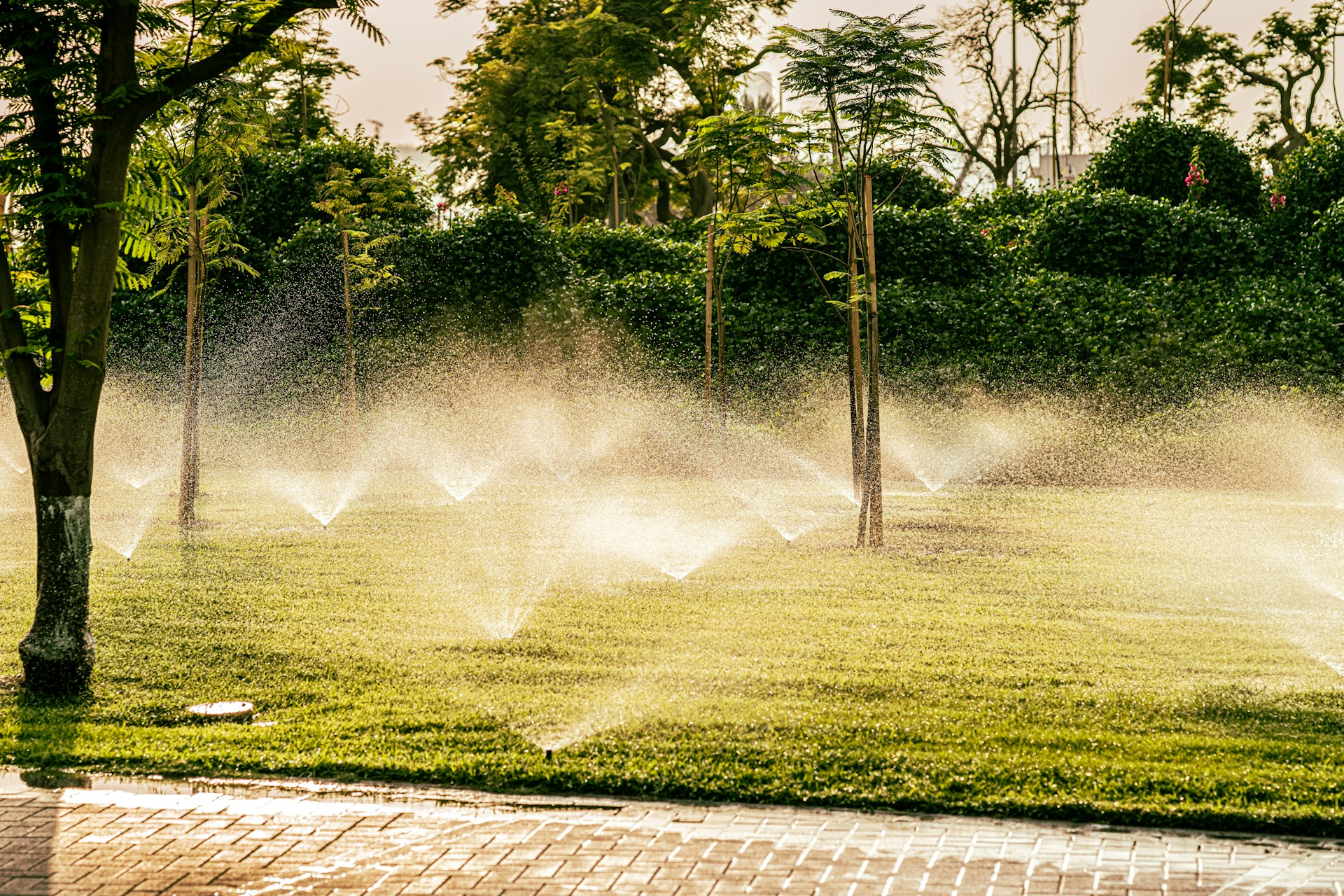
Older systems, or DIY jobs, are not always head to head. The sprinkler water of one sprinkler must fall on the other sprinkler. When there is a gap, then you are in a dry spot.
If you want to dig deeper into why water distribution gets uneven in the first place, we’ve written a whole guide on the most common causes of uneven lawn watering.
What to do: Go outside during the execution of the system. Watch each zone. Find heads that are not spraying correctly, parts that do not stay dry or places where pools of water do not belong. Maybe all you are required is a tweak or even a sprinkler repair.
The EPA WaterSense sprinkler guide also recommends checking spray patterns regularly to prevent wasted water and lawn stress.
Soil: The Hidden Half of the Problem
Sometimes the sprinklers are doing their job, but the water just sits there or runs off. That’s a soil issue.
Compacted Soil
If your soil is hard as rock common with clay or high traffic areas water can’t soak in. It just puddles or runs to the lowest spot. Grass roots stay shallow, and the first dry day leaves you with brown patches.
Thatch Buildup
Thatch is the layer of dead grass and roots between the green grass and the soil. A little is fine. Too much acts like a sponge it holds water on top, never letting it reach the roots.
Hydrophobic Soil
Sounds fancy, but it’s simple: some soils (especially sandy ones) get water repellent when they dry out. Water beads up and rolls away like it’s on wax.
What you can do: Core aeration is your best friend. It pulls plugs of soil out, giving water, air, and nutrients a direct path to the roots. For hydrophobic soil, a wetting agent helps.
What’s Going On Underground?
Not all problems are visible. Sometimes the culprit is below the surface
Tree Roots
Big trees send roots far into your lawn. They’re thirsty. They’ll suck up water before your grass gets a sip. You’ll often see dry spots in a pattern that mirrors the tree’s canopy
Buried Debris
Old construction rubble, rocks, concrete stuff left underground can create a shallow layer of soil. Grass roots can’t go deep, so even if you water, they’ve got nowhere to store it
Broken or Pinched Irrigation Lines
A slow leak can saturate one area and starve another. Or a line that’s been crushed by roots or rocks can cut flow to part of a zone.
If you notice constantly soggy areas or unexplained pressure drops, these irrigation leak signs are worth checking before the damage gets worse.
What you can do: These usually need a pro. An irrigation audit can map your system, test pressure, and even trace buried lines to find hidden issues.
How You Water Matters Too
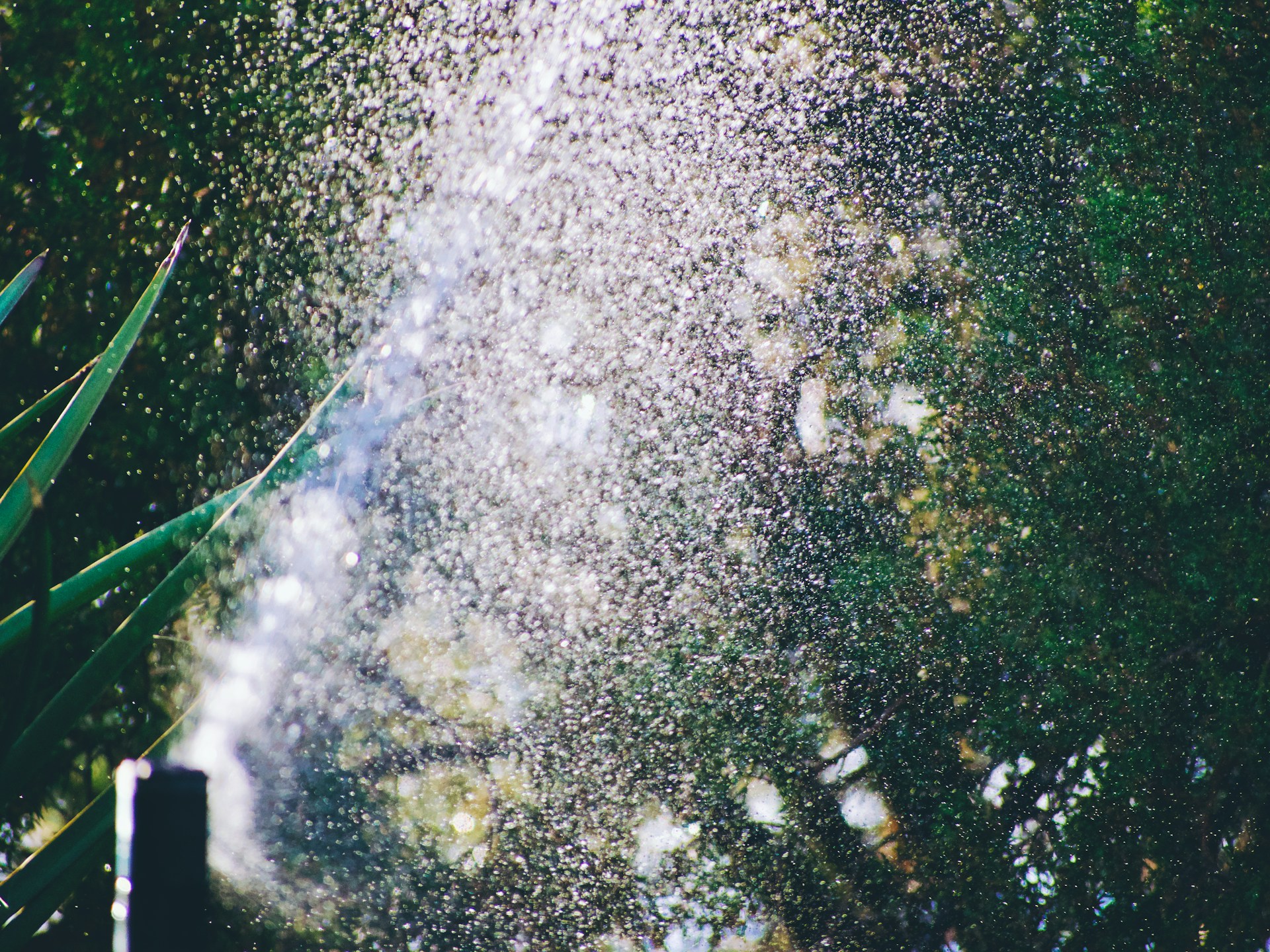
Even with a perfect system, you can accidentally cause dry spots
Watering Shallow and Often
Short, daily waterings keep roots lazy. They stay near the surface. When it gets hot, they’re the first to dry out. Deep, infrequent watering (like twice a week) pushes roots down where moisture lasts longer.
Watering at the Wrong Time
Midday sun? Half your water evaporates. Evening watering? You’re inviting fungus. Early morning like 4am to 8am is the sweet spot.
Not Adjusting for Seasons
Your lawn’s thirst changes. A schedule that’s perfect in May won’t cut it in July. Smart irrigation controllers take the guesswork out they adjust based on rain, temperature, and even soil moisture.
When It’s Time to Call Kinsley Irrigation
Some dry spots you can fix yourself. Others need a trained set of eyes.
If you’ve already checked heads, tweaked run times, and still have patches that won’t green up, give us a shout. We can:
- Do a full system audit map coverage, check pressure, find gaps
- Adjust or relocate sprinkler heads to cover those stubborn spots
- Fix leaks or clogs you might have missed
- Install smart controllers so your system adapts to the weather
- Add or modify zones to match your landscape better
A professionally designed residential irrigation system can eliminate many of these recurring dry spot problems before they start.
A lot of the time, the fix is simpler and cheaper than you think once you know what you’re dealing with.
Keep Dry Spots from Coming Back
Once your system’s sorted, a little maintenance goes a long way.
- Walk your property while the system runs. Do this once a month. Look for heads that are stuck, blocked, or spraying weird.
- Clean nozzles and filters. A quick rinse can restore full flow.
- Adjust as plants grow. A shrub that wasn’t blocking anything three years ago might be now.
- Aerate once a year. Especially if you’ve got heavy soil or lots of foot traffic.
- Schedule a spring startup. We’ll make sure your system’s ready to go before you need it.
Questions We Get All the Time
I water every zone the same amount of time, so why do I still have dry spots?
Even with equal run times, zones aren’t equal. Shady areas need less water. Sunny slopes need more. A zone with low pressure or clogged heads won’t cover properly. Equal time doesn’t mean equal coverage
Can a sprinkler audit really find what’s causing my dry spots?
Yes. We measure pressure and flow at each head, map coverage, and spot gaps. We can also check for underground leaks or root issues you’d never see.
Is it worth upgrading to a smart controller?
Usually. Smart controllers adjust to weather, so you’re not watering during rain or underwatering during heat waves. They also help you see exactly how much water each zone is using, which can point to problems
My neighbour’s lawn is perfect. Same soil, same water. Why do I have dry spots?
Could be any number of things different sprinkler system, tree roots you don’t have, soil compaction from past use. A sitespecific check is the only way to know
How do I know if it’s my sprinklers or my soil?
Start with the sprinklers. Run the system and watch. If coverage looks even but water isn’t soaking in, it’s soil. If coverage is uneven, start there.
Can I just add a soaker hose to fix one dry spot?
Sure, for a tiny spot it might help. But if the real issue is poor coverage or pressure, you’re just putting a bandaid on it. Better to fix the system so the whole zone is covered.
How often should I have my system professionally checked?
At least once a year spring startup is ideal. If you notice dry spots or other weirdness, don’t wait for next season. Call sooner.
Wrapping It Up
Dry spots in a lawn you water regularly are frustrating. But they’re almost always fixable. The trick is figuring out whether it’s the sprinklers, the soil, or something underground.
Start by watching your system run. Look for obvious problems. If you’re still scratching your head, Kinsley Irrigation can help. We’ll track down the cause and get your whole lawn back to green.
If you want to dig deeper into why water distribution gets uneven in the first place, we’ve written a whole guide on the most common irrigation maintenance issues.
A healthy lawn isn’t just about how much you water. It’s about making sure every drop lands where it’s supposed to.