How much do you really think about your sprinklers? For most of us, it goes like this: flip the switch in spring, get annoyed when they spray your car, and shut them off sometime in the fall. They’re practically invisible until something goes really wrong.
Here’s the kicker that “out of sight, out of mind” attitude is probably costing you. A lot. We’re talking about a sneaky hike in your water bill, dead patches in your lawn, and a surprise repair bill that hits at the worst time. The good news? It doesn’t have to be that way. A little bit of basic irrigation maintenance is like changing the oil in your car. It’s simple, it prevents big disasters, and it saves you a ton in the long run.
This isn’t a manual for a rocket scientist. It’s a straight shooting checklist from one homeowner to another. Let’s break down what you actually need to do, season by season, to keep your system from flushing cash down the drain.
The “Why Bother?” Section (Spoiler: Your Wallet)
Before we get into the how to, let’s talk about what happens if you skip this. I learned the hard way.
- Your Water Bill Will Secretly Climb:A single leaky sprinkler head or a cracked pipe you can’t even see can waste enough water to fill a kiddie pool every week. That’s real money. A head spraying full force onto your driveway? That’s just you paying to water concrete. Problems like irrigation leaks often go unnoticed for weeks.
- You’ll Murder Your Plants (With Kindness):Too much water is just as bad as not enough. It rots roots, makes fungus go wild, and turns your beautiful garden into a mushy mess. Good irrigation maintenance is about giving your plants a steady drink, not a flood.
- Winter Can Wreck Everything:The single most expensive mistake? Not preparing for freezing temperatures. Water left in the pipes freezes, expands, and cracks your plastic pipes and metal valves. The springtime repair for that isn’t pretty. Trust me.
A few hours of easy care each year stops these headaches before they start.
Your No Sweat, Seasonal Checklist
Think of this in three easy parts: the Spring Wake Up, the Summer Glance, and the Fall Goodnight.
Part 1: The Spring Wake Up (Don’t Just Turn It On!)
When the frost is gone, it’s tempting to just hit the “on” button. Resist! Do this simple check first.
- Take a Walk:Before any water flows, stroll around your yard. Look for the obvious stuff. Did a snowplow or your lawnmower smash a sprinkler head? Is a pipe sticking out of the ground? Make a mental note.
- Be Gentle with the Water:Find the main shut off valve for your sprinklers and turn it on slowly. This lets water fill the pipes gently instead of slamming into them (that “bang” you sometimes hear is bad news).
- Check the Brain (The Timer):That box in your garage? Its clock probably reset after a winter power outage. Fix the time. Then, actually look at the schedule. Does it still make sense? Maybe you removed a tree, so that zone gets more sun now and needs more water.
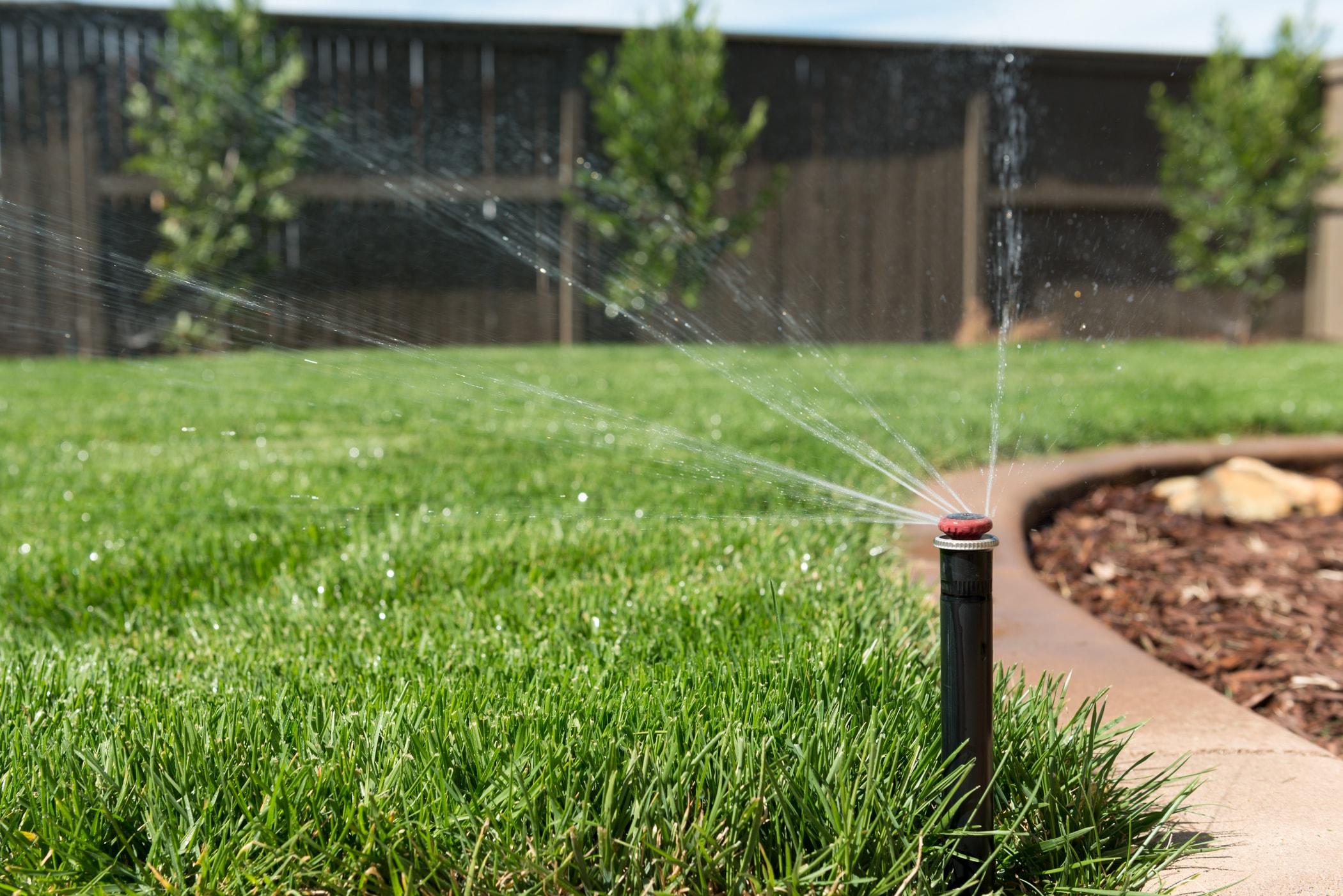
- The Most Important Step: The Zone Test:This is where you find the problems. Manually run each zone from the timer and walk alongside it. You’re playing detective. Look for:
- Geysers:A broken head will shoot water straight up like a fountain.
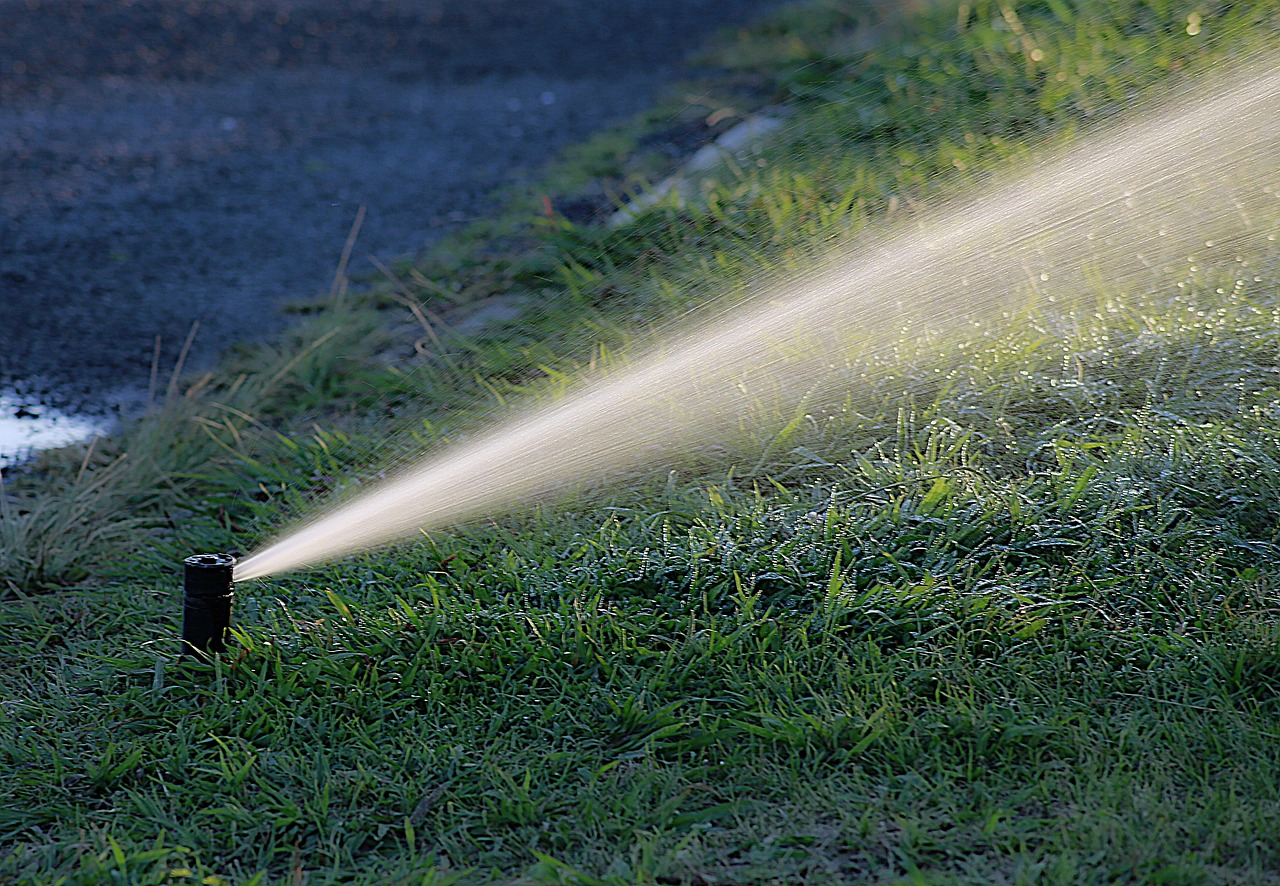
- Spraying the Wrong Way:Is it watering the sidewalk instead of the grass? Just adjust the nozzle with your finger.
- Lazy Sprinklers:Heads that don’t pop up all the way or spray weirdly are usually clogged with dirt or grass. A quick clean often fixes it.
- Soggy Spots: Usaully a sign of uneven watering or an underground leak.
The EPA WaterSense program also recommends routine sprinkler inspections to reduce water waste and improve lawn health.
Part 2: The Summer Glance (The 5 Minute Monthly Check)
Once it’s running smoothly, maintenance is minimal.
- Just… Watch It:Once a month, be home when your system runs. Stand at the window with your coffee. You’d be surprised what you notice, a head you missed that’s turned into a fountain, or a dry spot you didn’t see before.
- Pay Attention to Your Plants:Are there brown, crispy patches? That zone might be clogged. Are there yellow, soggy spots? You’re overwatering. Your landscape will tell you what’s wrong.
- Play with the Timer:Got a week of rain forecast? Use the “rain delay” button. It’s there for a reason. Don’t be the person watering in a thunderstorm.
If you’re upgrading or maintaining residential irrigation systems, small seasonal adjustments like these can save a surprising amount of water.
Part 3: The Fall Goodnight (The Non Negotiable Step)
This is critical. You must get the water out of the pipes before it freezes.
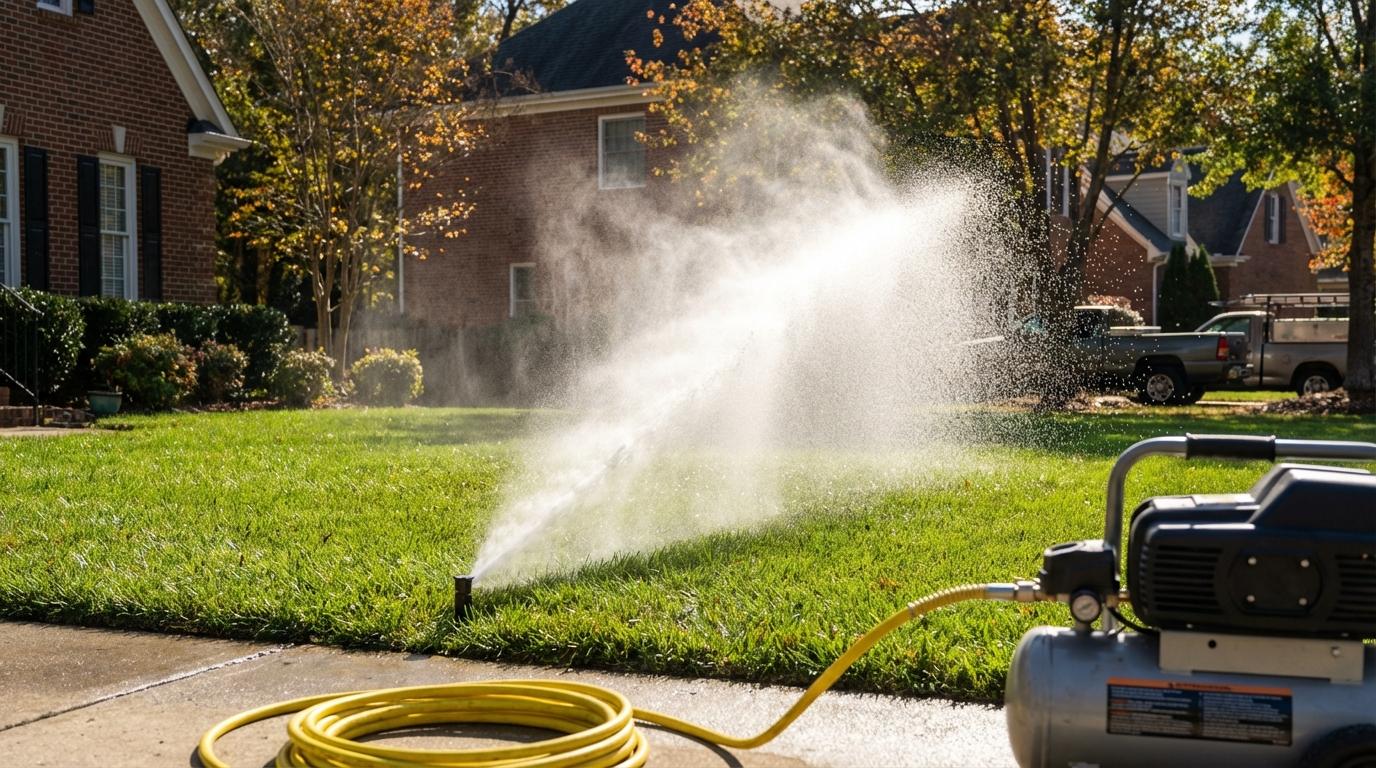
- Call for the “Blow Out”:Unless you have a giant air compressor, hire a pro for this. For about a hundred bucks, they use compressed air to force every drop of water out of your pipes. It’s the best money you’ll spend all year. Trying to do it yourself with a small compressor often leaves water behind, which leads to cracks.
- Shut It Down Tight:After the blow out, close the main shut off valve. If you have an above ground backflow preventer (that weird metal thing outside), you might need to drain it, too.
- Put the Timer to Bed:Switch your controller to “off” or “rain mode.” This saves all your programs but makes sure no valves accidentally try to turn on during a weird winter warm spell.
The Bottom Line for Smart Homeowners
- Spring is for Finding Problems: That zone test is your best friend.
- Summer is for Tiny Tweaks: Listen to your lawn. It talks to you.
- Fall is for Insurance: The blow out is non negotiable. Just schedule it.
- When You’re Stumped, Call Someone: If you see a leak you can’t find or a valve that won’t shut off, call an irrigation company. Letting it go always makes it worse and more expensive.
Questions You’re Probably Asking
Q: How long should I water my lawn?
A: There’s no magic number. It depends on your soil, grass, and sun. The old screwdriver trick works great. Water, then wait an hour. Shove a long screwdriver into the soil. If it goes in 6 8 inches easily, you’re good. If it’s hard to push, water longer next time.
Q: Are those smart timers worth it?
A: Honestly, yes, especially if you’re forgetful. The ones that connect to Wi Fi and adjust themselves based on the local weather can save you 20 30% on your water bill. They pay for themselves in a couple of seasons.
Q: Can I really not winterize this myself?
A: You can, but I don’t recommend it. The pro has a compressor the size of a small car that gets all the water out. Your little shop vac just won’t do the job right. It’s one of those times where paying the professional fee is cheaper than fixing what you’ll break.
Q: My water bill just jumped $50. What do I do?
A: Your irrigation system is Suspect #1. Turn off all the water inside your house. Go look at your water meter. If the little dial or triangle is still spinning, you’ve got a leak somewhere in your system. Time to start checking zones or making a phone call.
Q: How long should this whole system last?
A: The underground pipes can last decades. The sprinkler heads get beat up by sun, mowers, and dirt, so you might replace one every few years. Think of it like a car, tune ups and the occasional new tire keep it running for years.
Look, irrigation maintenance sounds boring. But it’s one of those simple, slightly tedious jobs that makes you feel like a real adult homeowner when you do it. Your grass will be greener, your water bill will be smaller, and you’ll avoid that sinking feeling of discovering a geyser in your yard. Just take it one season at a time. You’ve got this.