You know that evening sigh you let out when you realize you have to go water the lawn and garden? The dragging of the hose, the aimless spraying, watching half the water run down the driveway. Then comes the guilt when you forget for a couple days, followed by the shock of a summer water bill that could fund a small vacation. And the result? A weird mix of crispy-brown patches and swampy, drowning spots, all in the same yard. It’s the universal sign of a homeowner battling with a hose.
But it doesn’t have to be that daily grind. Imagine if your yard got the water it actually needed, right at the roots, without you having to lift a finger (or remember). That’s not some fantasy; it’s just about choosing the right watering setup. A good system isn’t just for show—it saves you time, saves you money, and honestly, it saves your plants from your good (or bad) intentions. If you want to go a step further, this breakdown on smart irrigation systems worth it explains how automation can take most of the guesswork out of watering entirely.
Figuring this out isn’t about finding one perfect gadget for everyone. Your lawn is like a thirsty teenager, always wanting a drink. Your tomato plants are more like a finicky gourmand with specific needs. The trick is to match the watering tool to the plant, to your dirt, and to how much tinkering you actually want to do.
Let’s skip the complicated terms. This is about making watering your garden less of a chore and more of a background habit that just works.
First, Get to Know Your Dirt and Plants
Before we dive into sprinklers and soaker hoses, there are two basic things that change everything:
Who’s drinking? Your grass has shallow, spread-out roots. A big, established shrub sends roots down deep. A vegetable patch is a crowded, thirsty party. They all need water served differently.
What type of soil do you have? The most important factor is the soil type. For instance, sandy soil acts as a sieve and lets water to pass through it effortlessly. Consequently, it is necessary to water more often but in shorter intervals. Conversely, heavy clay is analogous to a sponge; it slowly takes water and keeps it for an indefinite period. Therefore, watering deep is needed, but this should be done less frequently. Furthermore, if you handle clay soil like sandy soil, the plants will die because of waterlogging. And if you handle sandy soil like clay, the plants will die because of drought.
With this in mind, let us consider the best irrigation methods.
The Contestants: An Analysis of Domestic Irrigation Methods
1. The Sprinkler System: The Dominant Lawn Watering Solution
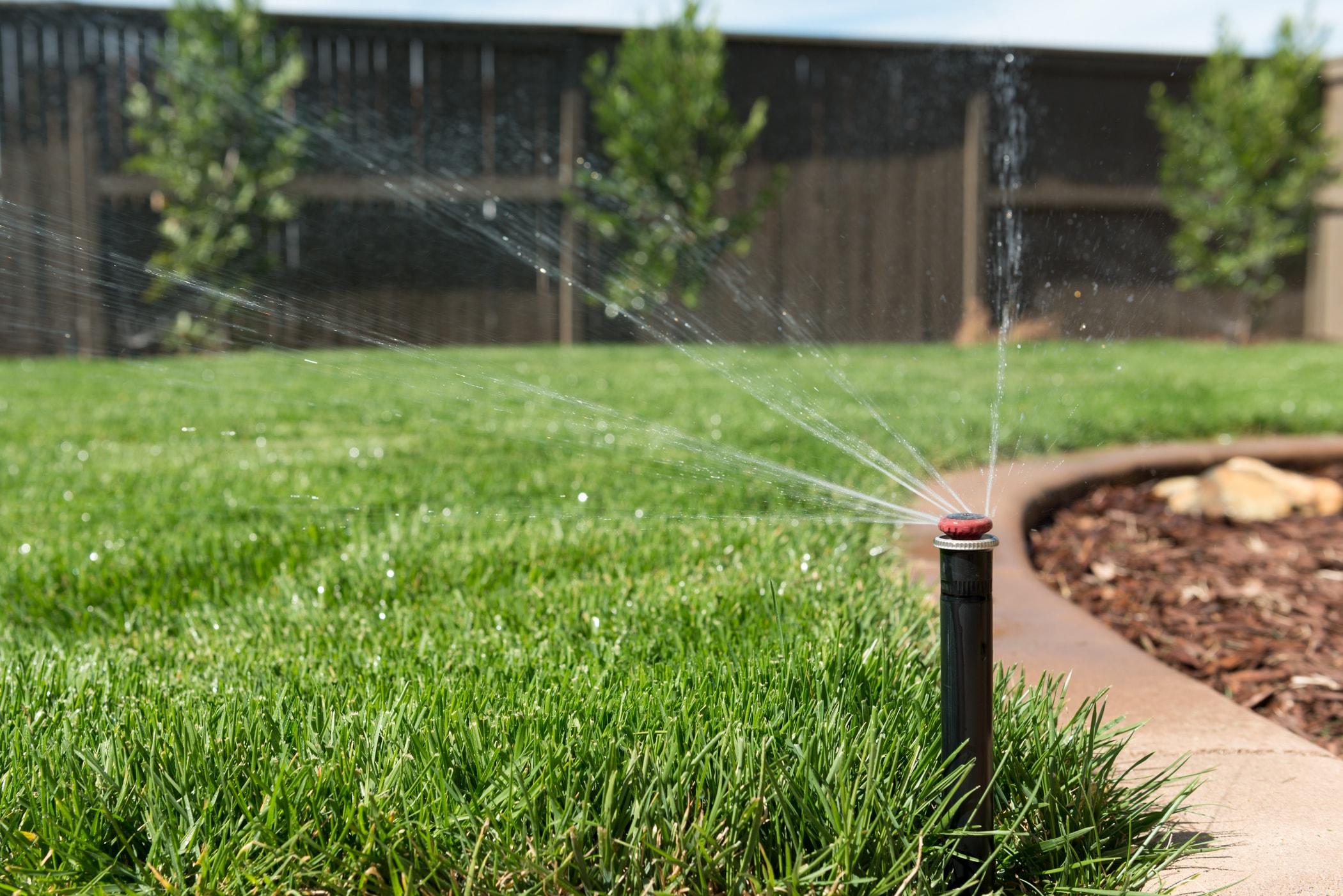
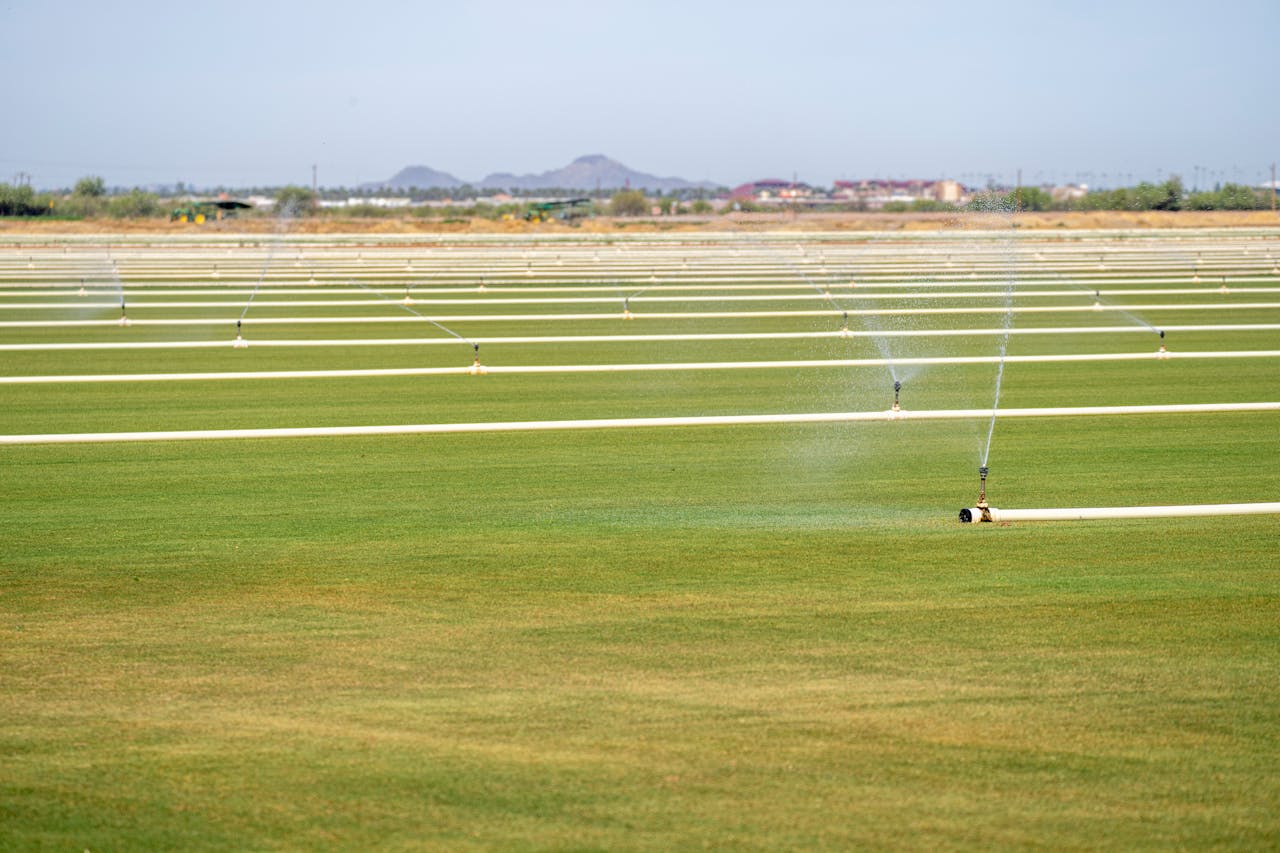
The first thought that probably comes to your mind when you consider the automatic watering of your lawn is the underground sprinkler system. It is an ancient classic but still remains the best option.
The Operation: Underground PVC pipe network supplies the pop-up spray heads that spread the water in specified patterns (full circle, half-circle, quarter-circle).
Best For: Lawns, large, and uniform groundcover areas.
The Good:
- Hands-Off Automation: Set a controller and forget it (with seasonal adjustments).
- Great Coverage: Can efficiently cover large, open spaces.
- Property Value: A professionally installed system can add to home value.
The Not-So-Good:
- Cost & Labor: Professional installation is a significant investment. DIY is possible but involves serious trenching.
- Water Waste Potential: High evaporation loss on windy or hot days. Water lands on leaves and hardscapes (drivesways, sidewalks) instead of roots.
- Inefficient for Beds: Poor choice for gardens, as it wets foliage (inviting disease) and doesn’t target root zones deeply.
2. Drip Irrigation: The Silent, Efficient Hero
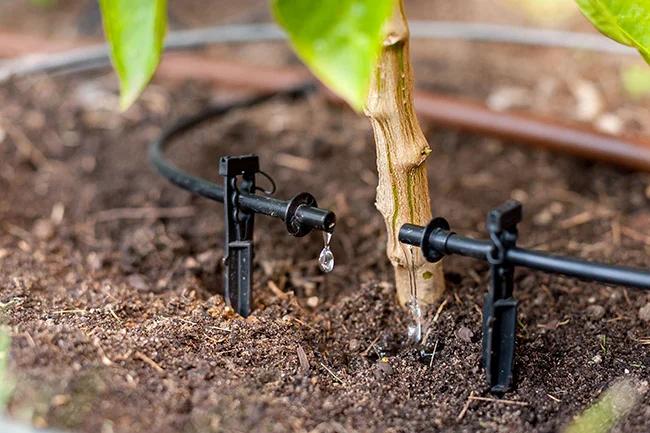
This is the secret weapon of the best gardeners and water-saver homeowners. Drip systems water slowly, straight to the soil at the plant’s root.
How it Works: A main tube of a rather large diameter runs from your faucet or valve. Little “emitter tubing” or single “drip emitters” are attached at each plant, dripping water straight onto the soil from the main tube.
Best For: Vegetable gardens, flower beds, foundation plantings, shrubs, trees, and containers. All areas except turf grass.
The Good:
- Diversity in Water Usage: Watering can be lessened by 30-50% in comparison to the use of sprinklers because of the reduced evaporation and runoff.
- Healthy Plants: The plant leaves remain dry leading to a reduction of fungal diseases. Strong and deep root growth is encouraged
- Flexibility & DIY-Friendly: Modular kits are widely available. Easy to snip tubing and add emitters as your garden evolves.
The Not-So-Good:
- Visible Components: Tubing on the soil surface can be disturbed by animals or gardening tools (though it can be lightly mulched over).
- Maintenance: Emitters can clog over time if filters aren’t used or maintained.
- Not for Lawns: Simply not practical for covering an entire lawn area uniformly.
3. Soaker Hoses: The Simple, Low-Tech Soak
Think of these as the laid-back cousin of drip irrigation. They’re a fantastic entry point.
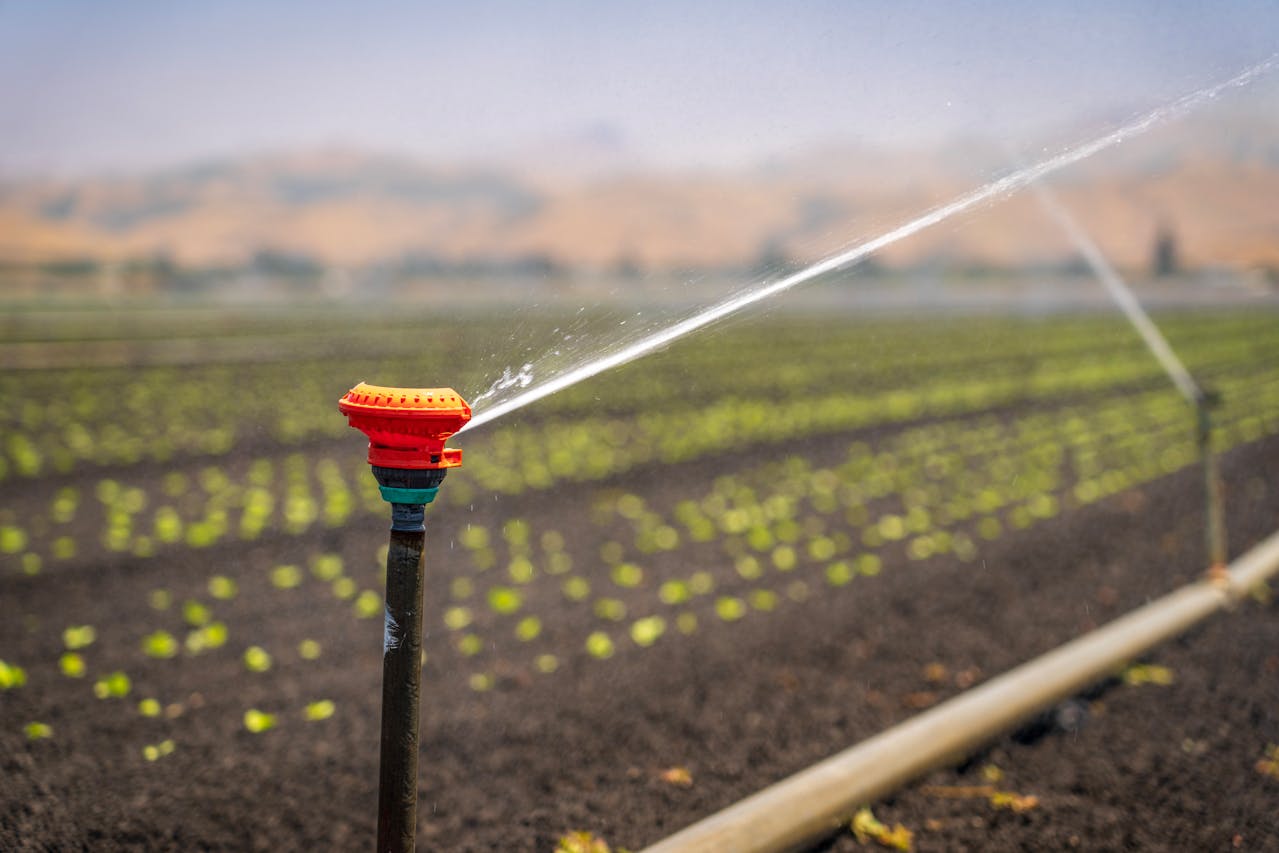
How it Works: A porous hose (often recycled rubber) oozes water along its entire length. You snake it through a garden bed.
Best For: Long, straight rows (vegetable gardens), dense perennial beds, hedgerows.
The Good:
- Inexpensive & Dead Simple: Buy it, hook it to a hose, turn it on.
- Excellent Deep Watering: Provides a slow, deep soak that’s perfect for established beds.
The Not-So-Good:
- Less Control: Waters everything in its path, including weeds. Can’t target individual plants like drip emitters.
- Inconsistent Pressure: Water pressure drops along the length, so the end of a long hose may ooze less.
- Durability: Can degrade in sunlight and are prone to kinking.
4. The Smart Controller & Hybrid Systems: The Brain
Best for: Anyone using a modern residential irrigation system setup or upgrading from a basic timer.This isn’t a watering method itself, but it’s the crucial upgrade that makes any system (sprinkler or drip) genius. It replaces your basic timer.
How it Works: Connected to Wi-Fi, it uses local weather data, soil moisture sensors, and plant types to automatically adjust your watering schedule. Rain delay? It knows. Hot, dry spell? It adjusts.
The Good:
- Maximizes Efficiency: Eliminates the “set it and forget it” problem of overwatering.
- Ultimate Convenience: Control and monitor your system from your phone.
- Water Savings: Pays for itself in reduced water bills.
The Not-So-Good:
- Higher Upfront Cost: A significant jump from a basic timer.
- Setup Learning Curve: Requires some tech-savvy to program zones properly.
Making the Choice: A Simple Decision Guide
“I have a big lawn and want it green with no hassle.”
Solution: An in-ground sprinkler system zoned for the lawn only, paired with a smart controller. Consider this the premium, long-term investment.
“My priority is my vegetable garden and flower beds. I want to conserve water.”
Solution: A DIY drip irrigation kit on a simple timer. Start small with one bed. It’s the most effective and satisfying upgrade for a gardener.
“I need a simple, cheap solution for my established foundation shrubs and a few beds.”
Solution: Soaker hoses connected to a manual faucet. Turn them on for an hour while you do something else. It’s a massive upgrade over hand-watering.
“I have a mix of lawn, trees, and garden beds.”
Solution: A Hybrid Approach. This is often the best solution. Use sprinkler zones for turf areas and separate drip irrigation zones for gardens, trees, and shrubs, all managed by a single smart controller. This gives each plant type exactly what it needs.
A Few Golden Rules for a Happier Yard
Forget complicated manuals. If you remember nothing else, stick to these simple ideas that really work:
Match the Method to the Plant. This is the biggest one. Sprinklers are for grass. Drip lines or soaker hoses are for literally everything else—veggies, flowers, shrubs. Don’t be afraid to mix and match; it’s the smart way to water.
Soak It, Don’t Sprinkle It. Frequent, light watering is a trap. It teaches roots to stay lazy and shallow. Instead, water less often but really soak the ground. This pushes roots down deep to find moisture, which makes your plants tough enough to handle a dry spell. A long drink once a week beats a daily splash every time.
Morning is Best. Make it a habit to water in the early morning. You lose less to the sun’s evaporation, and any water that gets on the leaves has the whole day to dry off. Wet leaves overnight are an invitation for mildew and other fungi to move in.
Never Underestimate Mulch. Mulch is like a superhero sidekick for your irrigation. Throw down 2-3 inches of wood chips or shredded bark over your soil (and over your drip lines!). It keeps the sun from baking the moisture right out of the ground, smothers weeds trying to steal water, and keeps soil temperature steady. It’s a total game-changer.
Use Your Eyes and Hands. Don’t just set a timer and forget it for the whole summer. Get in the habit of poking your finger into the soil. Is it still damp an inch down? Hold off. Are plants looking sad at noon? Maybe they need more. See water running down the driveway? You’re watering too fast. Tweak as you go.
To explore how smarter irrigation technology improves water efficiency and reduces waste, this resource on EPA WaterSense Outdoor Water Use provides useful, trusted guidance.
Answers to Common Watering Head-Scratchers
A: Get a timer. Seriously, even a basic $20 mechanical timer screwed onto your faucet is a huge leap forward. It saves you from forgetting and from overwatering. A smart Wi-Fi controller is the ultimate upgrade, but any timer takes the guesswork out of the “how long” part.
A: I was just a little doubtful, but without a doubt, yes to 100%. The garden beds are actually what I consider the best thing that I ever did. The water consumption will be way less, the plants will be healthier due to the dry leaves, and the time-saving is huge.
A: Yes, you can. They have sprinkler kits for sale at the big box home improvement stores. Just be realistic about the whole thing: it calls for lots of digging, sticking pipe together, and adjusting the spray heads. If you are a do-it-yourself person and your yard is not complicated, a couple of weekends may suffice. If your plot is sloping and root-infested, you might consider the pro’s charge as the price of peace of mind (and no back pain).
A: Not a gimmick, but they’re more of a helpful teammate than the star player. They’re fantastic for catching free water from your roof to use on nearby flower pots or a vegetable garden. Just don’t expect one to water your entire half-acre lot through August. Think of them as a great way to supplement and be a little more self-sufficient.