It’s October. The rain is back. And you know what that means? In about eight months, you’ll probably be standing in your yard again, dragging a hose around and trying to remember whether you watered the back corner.
Sound familiar?
Most people don’t think about an irrigation system until they’re desperate for one. It’s the middle of summer, the grass is turning brown, and you’re spending an hour every evening moving sprinklers around like some kind of lawn babysitter.
But fall is actually a smart time to start planning.
The ground is still workable, you’re not dealing with the pressure of a struggling lawn, and there’s time to get everything designed and installed before the next summer watering season.
So, how does an inground irrigation system actually work, and is it worth having one in your yard?
What Is Inground Irrigation and How Does It Work?
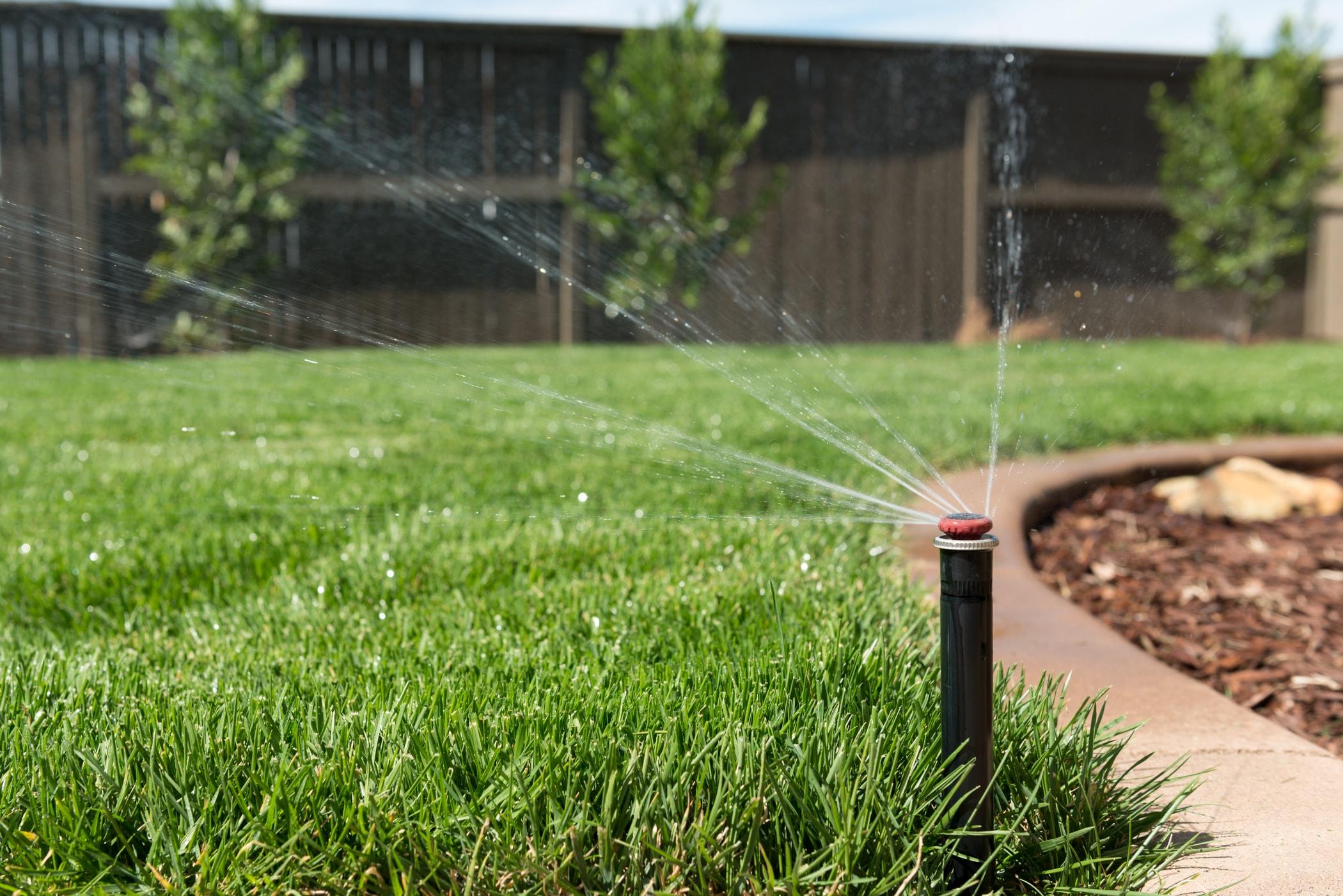
An inground irrigation in Maple Ridge is simpler than it might sound. Water runs through pipes installed underground and reaches sprinkler heads positioned around your yard. A controller tells the system when to run and which areas need water.
That’s really the basic idea.
You set the schedule, and the system handles the watering automatically. It can run early in the morning while you’re still asleep, with different zones watering for different lengths of time.
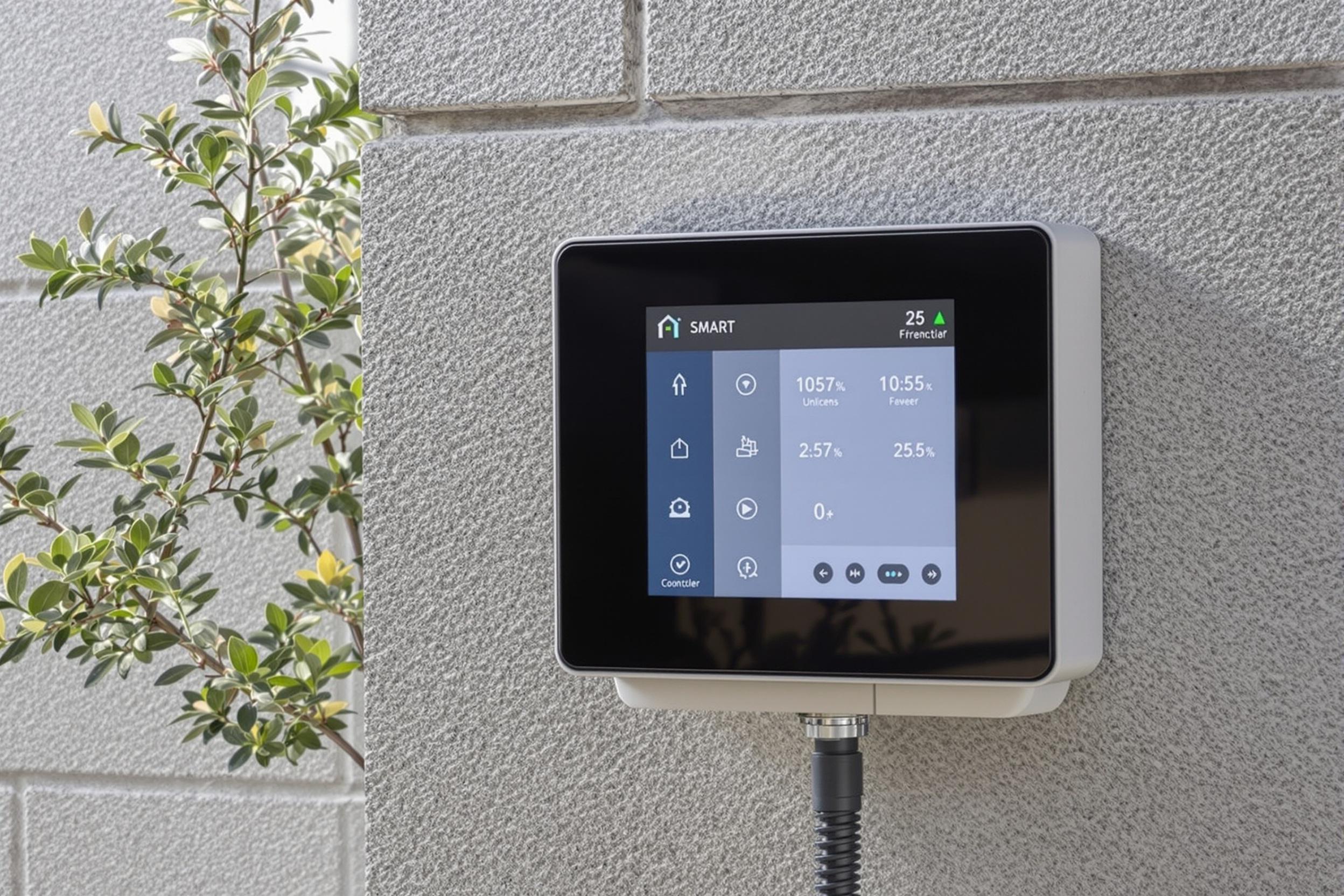
With a smart controller, the system can also adjust watering based on weather conditions or skip a cycle when rain has already done the job.
No dragging hoses around. No moving sprinklers from one part of the yard to another. No trying to remember which areas you already watered.
Why Are Maple Ridge Homeowners Choosing Inground Irrigation?
For most homeowners, the biggest reason is simple: they’re tired of watering by hand.
They want a healthy lawn and plants, but they don’t want to spend their evenings standing outside with a hose.
Once an inground system is set up properly, it can water the yard automatically in the early morning. That’s often a better time for watering because temperatures are cooler and there is generally less evaporation.
It also means your lawn keeps getting water when you’re away. If you’re going on vacation for a week, you don’t have to ask someone to move a sprinkler around every day.
Another advantage is consistency.
Most yards don’t need the same amount of water everywhere. Your front lawn may get full sun while the back corner stays shaded. Flower beds may need different watering than grass. A sloped area may also need a different schedule to reduce runoff.
An irrigation system divides the yard into zones so each area can be watered according to its needs.
And, of course, your yard looks better without hoses stretched across the grass or portable sprinklers sitting around.
How Can Inground Irrigation Save Water in Maple Ridge?
A properly designed irrigation system can help reduce unnecessary water use because it delivers water where it is actually needed.
A hose doesn’t know where your plants are. If you’re not careful, you can end up watering the driveway, sidewalk or other areas that don’t need it.
With an inground system, sprinkler heads are positioned to cover specific areas. Different zones can also have different run times depending on the plants, soil and amount of sun they receive.
Smart controllers can make the system even more efficient by adjusting watering schedules according to weather conditions.
You may hear claims that automatic irrigation can cut water use by up to half compared with hand watering. That can happen in some situations, but it’s not a guarantee. Actual savings depend on the design of the system, the condition of your lawn, the weather and how the controller is programmed.
The goal isn’t simply to water less. It’s to avoid wasting water while giving your lawn and plants what they actually need.
Why Does Maple Ridge Weather Make Automatic Irrigation Useful?
Maple Ridge weather doesn’t always make lawn watering easy to manage.
You can have long dry stretches during summer, followed by periods of significant rainfall. Spring and fall can also bring changing conditions from week to week.
When you’re watering by hand, it’s easy to get the timing wrong. You might water too much during a cooler, wetter period and then struggle to keep up when temperatures rise.
An automatic irrigation system gives you a more consistent way to manage those changes.
It’s especially useful for a new lawn that needs regular watering while establishing roots, larger yards, sloped properties and homes where the owners simply don’t have time to water manually.
There is another local consideration: watering restrictions.
Maple Ridge is part of Metro Vancouver, where seasonal watering regulations can apply during drier periods. Those rules can change, so homeowners should always check the current requirements before setting their watering schedule.
A properly programmed controller can make it easier to keep your irrigation schedule within the permitted watering times.
What Should You Look for When Choosing an Irrigation Installer in Maple Ridge?
Don’t choose an installer based on a price given over the phone.
A proper irrigation design starts with looking at the property. The installer should consider the size and shape of your yard, soil conditions, slopes, sun exposure, existing landscaping and water supply.
Ask what will actually be included in the installation.
Will the system have separate zones? What type of sprinkler heads will be used? Is a smart controller available? How will backflow protection be handled? Do they provide seasonal startup and winterization?
Residential Backflow testing is particularly important because it helps prevent irrigation water from flowing back into the potable water supply. The equipment needs to meet applicable requirements.
It’s also worth asking whether the company provides ongoing service. An irrigation system isn’t something you install once and completely forget about.
Get everything in writing before you agree to the work. A good quote should make it clear what equipment, installation and services are included.
How Much Does Inground Irrigation Cost in Maple Ridge?
There isn’t one price that applies to every yard.
The cost of an inground irrigation system depends on several factors, including the size of the property, the number of zones, the type and number of sprinkler heads, the controller you choose and how difficult it is to run the pipes to different areas.
A small, straightforward yard will naturally require less work than a large property with multiple planting areas and slopes.
The best way to get an accurate price is to have the property assessed in person. The installer can look at the layout, determine what the yard actually needs and provide a clear quote before you commit.
The system also has different components with different lifespans.
Good-quality underground pipes can last for 20 to 30 years when properly installed and maintained. Sprinkler heads and valves generally wear out sooner, often within five to 10 years, but they’re usually straightforward to replace.
How Often Does an Inground Irrigation System Need Maintenance?
Most residential irrigation systems benefit from attention at least three times a year.
In spring, the system should be turned on and checked. Each zone can be tested to make sure the heads are working correctly, there are no leaks and the coverage still makes sense.
A midsummer check is useful because plants can grow around sprinkler heads and block the spray pattern. A head may also become damaged or shifted during the season.
Then comes the most important fall maintenance: irrigation winterization in Maple Ridge.
Water needs to be removed from the irrigation lines before freezing conditions arrive. If water remains inside the pipes and freezes, it expands and can damage pipes, valves or other components.
That is a repair that is much easier to prevent than fix.
You should also watch for warning signs throughout the season. A zone that won’t shut off, weak water pressure, unusually wet areas or patchy watering can point to a faulty valve, damaged sprinkler head or leak.
Finding those problems early can save water and prevent a small repair from becoming a bigger one.
What Are the Most Common Inground Irrigation Mistakes Homeowners Make?
One common mistake is watering for a few minutes every day without considering what the lawn actually needs.
In many situations, deeper and less frequent watering encourages stronger root growth than constantly providing short, shallow watering. The right schedule still depends on the type of grass, plants, soil and weather.
Another mistake is creating a watering schedule in May and never changing it.
Your yard’s needs can be very different in July than they are in October. Weather conditions change, plants grow and watering restrictions may also change.
There are simpler problems too.
Sprinkler heads may end up spraying onto sidewalks. Shrubs can grow and block a sprinkler’s coverage. A head may get damaged by a mower or shifted out of position.
These issues are usually easy to correct once they’re noticed. The bigger problem is leaving them unnoticed for an entire season.
Is Inground Irrigation Worth It for a Maple Ridge Home?
For many homes, yes.
If you have a decent-sized lawn, several planting areas, a new lawn or simply a busy schedule, an automatic irrigation system can take a regular chore off your list.
It can provide more consistent watering, make it easier to manage different areas of your yard and reduce the need to spend your evenings moving a hose around.
It’s not necessary for every property, though.
If your yard is very small and you genuinely enjoy watering it by hand, you may not need a full inground system.
The important thing is matching the irrigation design to your property rather than installing more equipment than you actually need.
If you’re considering inground irrigation in Maple Ridge, give Kinsley Irrigation a call at 604-465-9780. We’ll walk your yard with you, explain your options and give you an honest quote based on what your property actually needs.
What Do Maple Ridge Homeowners Ask About Inground Irrigation?
It depends on the municipality and the type of work being carried out. Many residential installations don’t require a permit, but irrigation systems still need appropriate backflow protection that meets applicable requirements.
We’ll discuss this with you during the site visit and let you know if any additional requirements apply to your project.
You can connect certain small irrigation setups to a hose bib, but it’s generally not the best solution for watering an entire lawn.
A proper inground system is connected to the home’s water supply with dedicated valves and zones. Running a larger system from a hose bib can result in limited flow and poor coverage.
A hose-bib setup may work for a small garden, but larger lawns generally benefit from a properly designed irrigation system.
Sprinkler heads are designed to be replaceable.
A damaged head can usually be removed and replaced with a suitable replacement. If you don’t want to handle the repair yourself, it can also be taken care of during an irrigation service visit.
It’s worth fixing broken heads promptly because a damaged sprinkler can affect coverage and waste water.
The best protection is proper winterization.
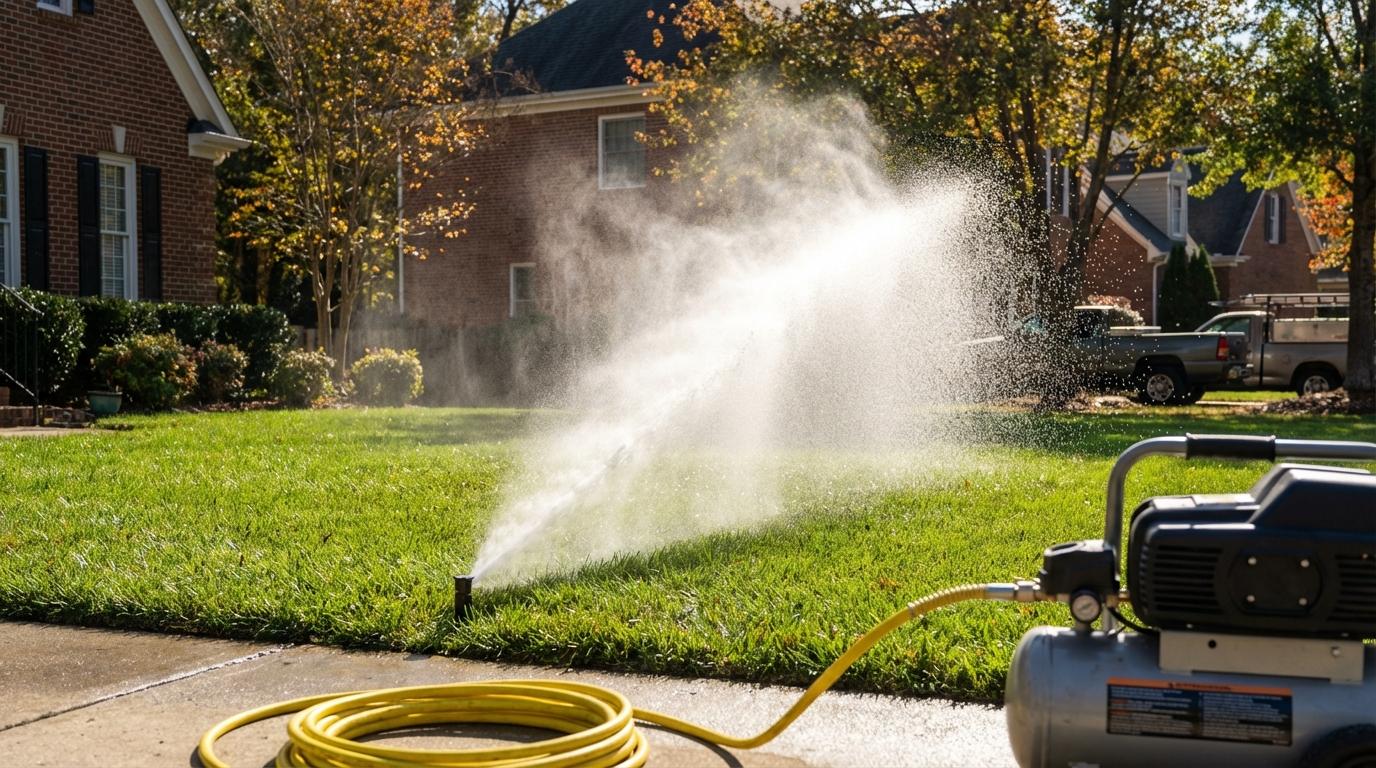
Before freezing temperatures arrive, the water needs to be removed from the irrigation lines. This is typically done by blowing the water out of the system with compressed air.
Leaving water inside the lines can allow it to freeze and expand, potentially damaging pipes and components.
Your water bill is one place to start.
An unexpected increase can indicate a leak, stuck valve, damaged sprinkler head or a watering schedule that’s running longer than necessary.
You can also look for unusually wet areas, pooling water, weak pressure or a zone that continues running after it should have stopped.
A smart controller can help by adjusting schedules based on weather rather than following the exact same watering cycle every day.
Yes, if you choose a compatible smart controller.
Many modern controllers connect to an app that allows you to adjust watering schedules, skip cycles and monitor the system remotely.
That can be especially useful if you’re away from home or simply want an easier way to manage your irrigation.
It may make more sense for certain planting areas.
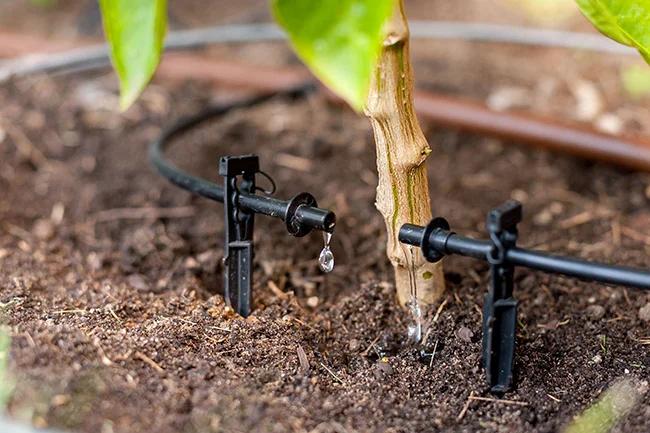
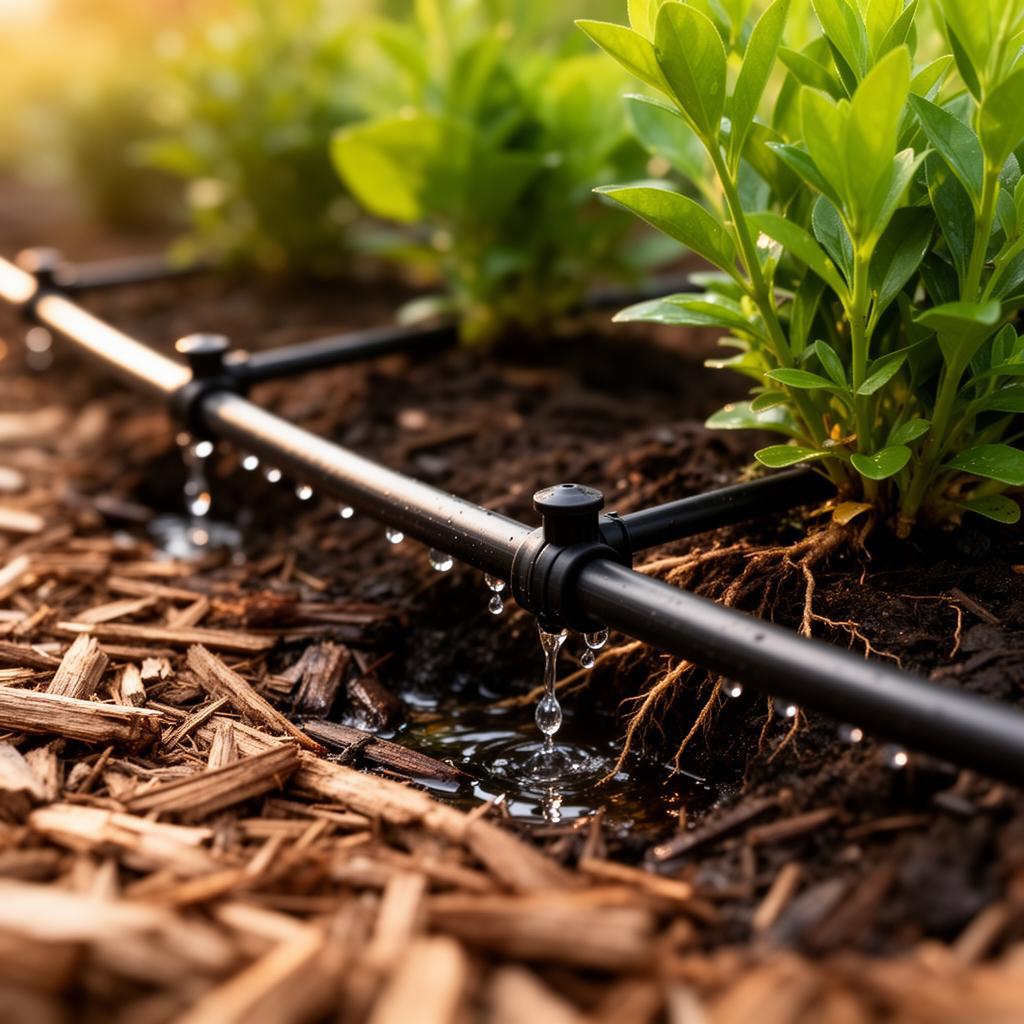
Drip irrigation delivers water slowly and directly toward the root zone, which can work well for flower beds, shrubs and other plants.
A property doesn’t have to use only sprinklers or only drip irrigation. A properly designed system can combine drip zones for garden beds with sprinkler zones for lawn areas.
The right setup depends on what you’re growing and how your yard is laid out.