It’s a warm evening, and you’ve been standing in the yard with the hose for 40 minutes. The hydrangeas are finally soaked. The sidewalk is soaked too. The lavender by the fence has turned to mush, and the new shrubs on the slope behind the house are still drooping because the water ran off before it could sink in.
Sound familiar? If you garden in Port Moody, you know the pattern. We get plenty of rain in the cooler months, then a stretch of dry, sunny weeks when the beds dry out fast. Hand watering takes time, and a standard sprinkler wets everything around the plants, not just the plants.
That’s the gap a drip system fills. Instead of spraying water through the air, it delivers a slow, steady supply right where the roots are. If you’ve been wondering whether drip irrigation installation Port Moody homeowners are asking about is worth it, here are six benefits to think about.
Key Takeaways
- Drip irrigation puts water at the roots, so less is wasted
- It’s a good fit for garden beds, trees, shrubs, planters and vegetable gardens
- Keeping leaves dry helps cut down on plant disease and weeds
- A timer handles the watering for you, even when you’re away
- Drip works well on slopes and tight spots where sprinklers struggle
- Port Moody follows Metro Vancouver watering rules, and drip is a permitted method for certain planted areas
1. Water Goes Straight to the Roots
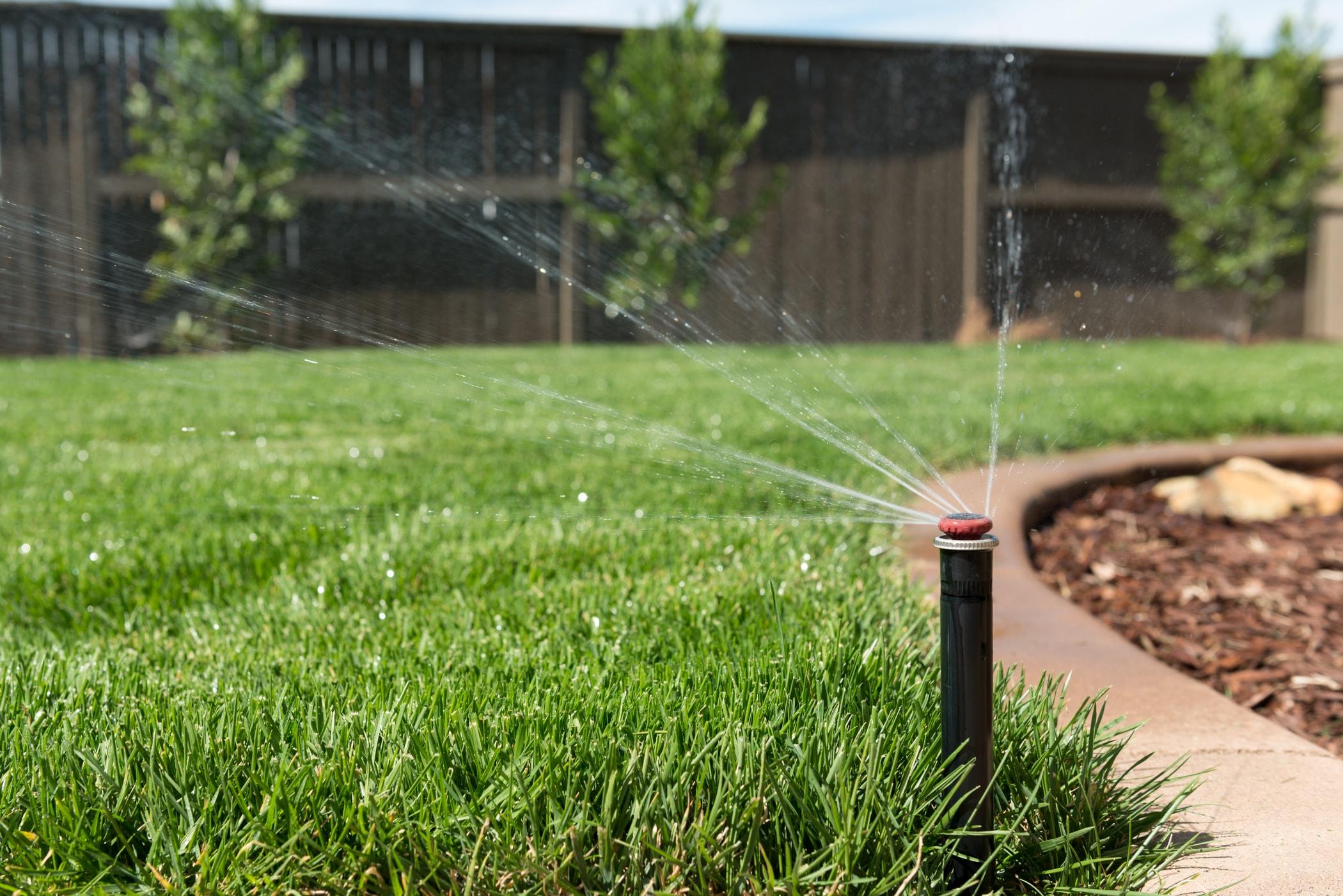
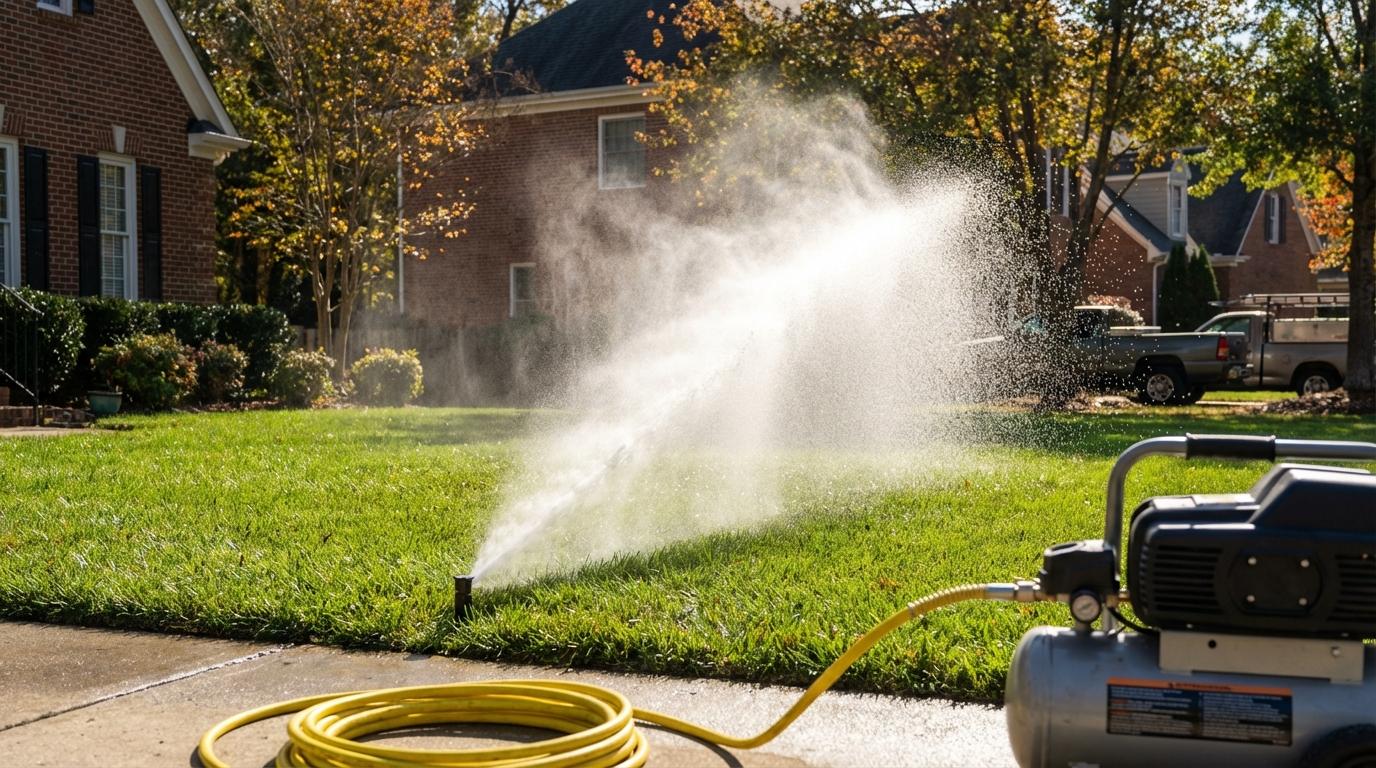
This is the big one. A sprinkler throws water into the air. Some of it drifts away in the wind, some of it evaporates before it lands, and some of it ends up on your driveway.
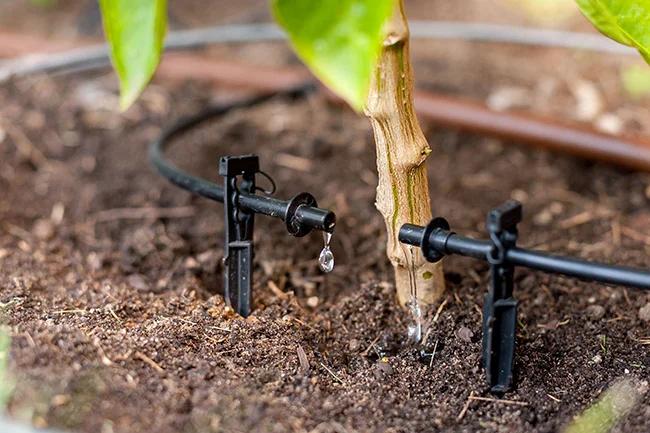
Drip irrigation works differently. Small tubes and emitters release water slowly at the base of each plant. The soil soaks it up, and the roots get the moisture they actually need. Less water is wasted, and your plants get a deeper, steadier drink.
It also keeps water off the places that don’t need it, like fences, siding and walkways. That means fewer water stains, and fewer slippery paths after a watering cycle.
2. It Fits Local Watering Rules
Port Moody follows Metro Vancouver’s water restrictions. They usually kick in during the drier months, and the rules change depending on the stage. During those times, how and when you can water matters.
Drip irrigation is listed as a permitted method for watering certain planted areas during restriction periods. That makes it easier to keep your garden healthy when other watering methods are limited. Rules change from year to year, so check the current stage on the Metro Vancouver website before you water.
A well-planned system uses water carefully, too. That’s good for your garden, and it’s good for the community.
If you’re looking into drip irrigation installation Port Moody properties need to stay green through summer, ask the installer how the design fits current restrictions.
3. Healthier Plants and Fewer Weeds
Most plants hate extremes. Too dry, they wilt. Too wet, the roots sulk. Drip lines give them a slow, steady drink, so the soil stays evenly damp, and that’s what they’re after.
Leaves matter too. A sprinkler soaks everything, and wet leaves are an open invitation for mildew. Roses and tomatoes are the worst for it. With drip, the water goes into the soil and the leaves stay dry.
Then there are the weeds. Since only the root zone gets watered, the bare ground in between stays dry, and weed seeds don’t get much help. You’ll still pull a few. Just a lot fewer.
4. It Saves You Time
Add up your summer evenings spent with a hose. Dragging it around the corner. Moving the sprinkler every twenty minutes. Hauling the watering can out to the deck planters. It’s a lot of hours you’ll never get back.
With drip, you set a timer and walk away. The system runs early in the morning, when the air is cool and less water is lost to the sun. Heading up to the Okanagan for the long weekend? Going away for two weeks in July? The garden keeps drinking without you.
You can still change the schedule whenever you like. Bump it up during a heat wave. Cut it back when it rains for three days straight. It’s your call, and it takes about a minute.
5. It Works on Slopes and Tricky Spots
Port Moody isn’t flat. Many yards sit on hillsides, with terraces, rock walls and narrow beds along the side of the house. Sprinklers often struggle in places like that. Water runs downhill before it can soak in, and the plants at the bottom get too much while the ones at the top get too little.
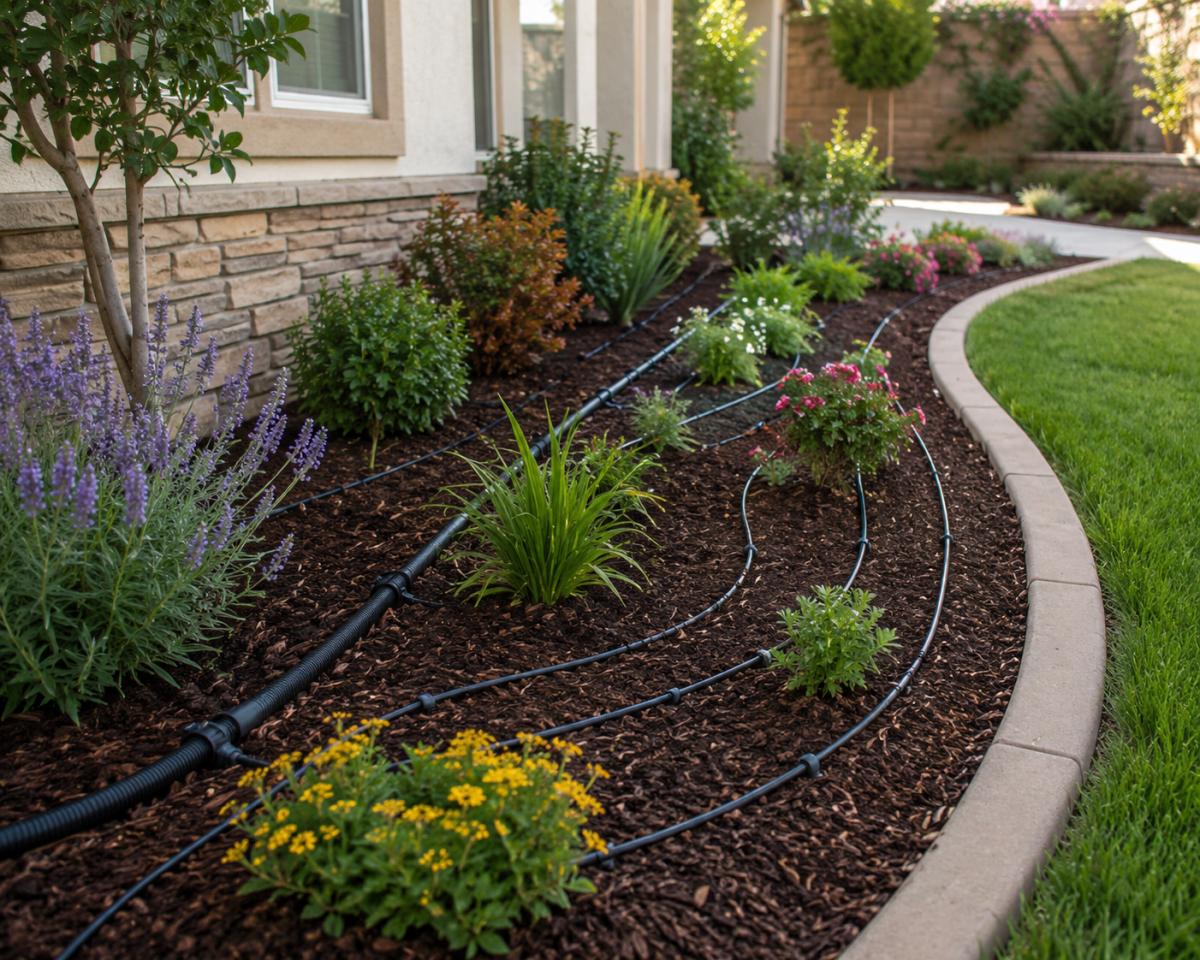
Drip lines can be laid right along a slope. With the right layout and pressure control, water goes slowly into the soil instead of racing downhill. You can also split the yard into zones, so a shady bed gets less water than a sunny one.
It’s also great for spaces that are hard to reach with a hose. Containers, window boxes, raised vegetable beds and narrow strips beside the garage can all be set up with drip.
6. It Can Grow With Your Garden
Gardens change. You add a few new shrubs. You turn part of the lawn into a vegetable patch. You put in a row of planters on the patio.
A drip system can change with you. You can add new lines, extend a zone or tweak the emitters when plants get bigger. You can often add a drip zone to an existing irrigation system, too, without starting over.
And the parts are easy to replace. If a line gets clipped by a shovel or an emitter clogs, you can usually fix it without redoing the whole thing.
What to Know Before You Book an Installer
A few quick things to think about will help you get the most from your system.
Walk your yard and make notes. Which beds dry out first? Where do you have trees, shrubs, planters or vegetables? Which areas get full sun, and which are shaded?
Know your water source. An irrigation system installer will look at your water supply and pressure to design the layout. In most BC municipalities, irrigation connections need backflow protection, so ask about it.
Think about the controller. A timer makes drip systems far easier to live with. Ask what options are available, and whether a rain sensor makes sense for your yard.
Plan for the seasons. Winters here can bring freezing temperatures. Systems should be winterized before the first hard freeze so water doesn’t damage the lines or valves.
Match the system to your plants. Trees, perennials and vegetables don’t all need the same amount of water. Zoning makes sure each gets what it needs.
Professional drip irrigation installation Port Moody gardens can count on covers all of this, from the layout to the testing at the end.
Quick Questions
It can, if there’s dirt or mineral buildup. Good systems include filters, and a quick check every season keeps emitters flowing.
Usually not. Drip is made for garden beds, trees, shrubs, planters and vegetables. Lawns are better served by sprinklers designed for wide coverage.
Yes, and it’s a good idea. A layer of mulch over the tubing protects it from sun damage and helps the soil hold moisture.
In most cases, yes. Freezing can crack fittings and valves. Draining or blowing out the system in fall protects it for the next season.
A small kit for a few planters is doable for many people. Larger systems with multiple zones, pressure control and backflow protection are best left to a trained installer.
The Bottom Line
A drip system helps you do more with less water. Your plants get what they need, your time is yours again and your yard stays green even when summer gets dry. It’s a simple upgrade that makes everyday gardening easier.
Thinking about drip irrigation installation Port Moody homeowners can rely on? Contact Kinsley Irrigation for a free quote, and we’ll help you plan a system that fits your garden.