I turned off my sprinklers. Am I good for winter?
Not necessarily.
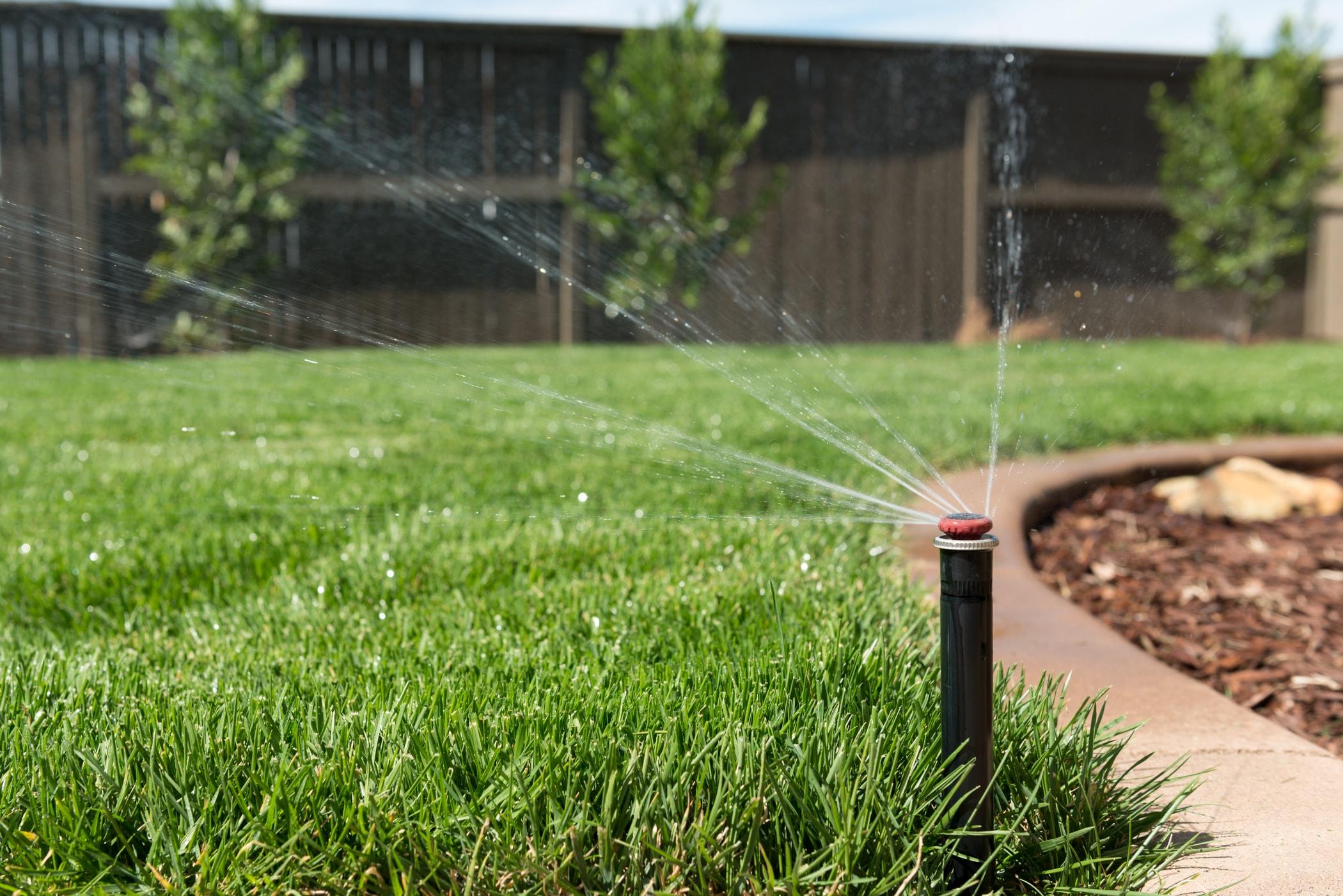
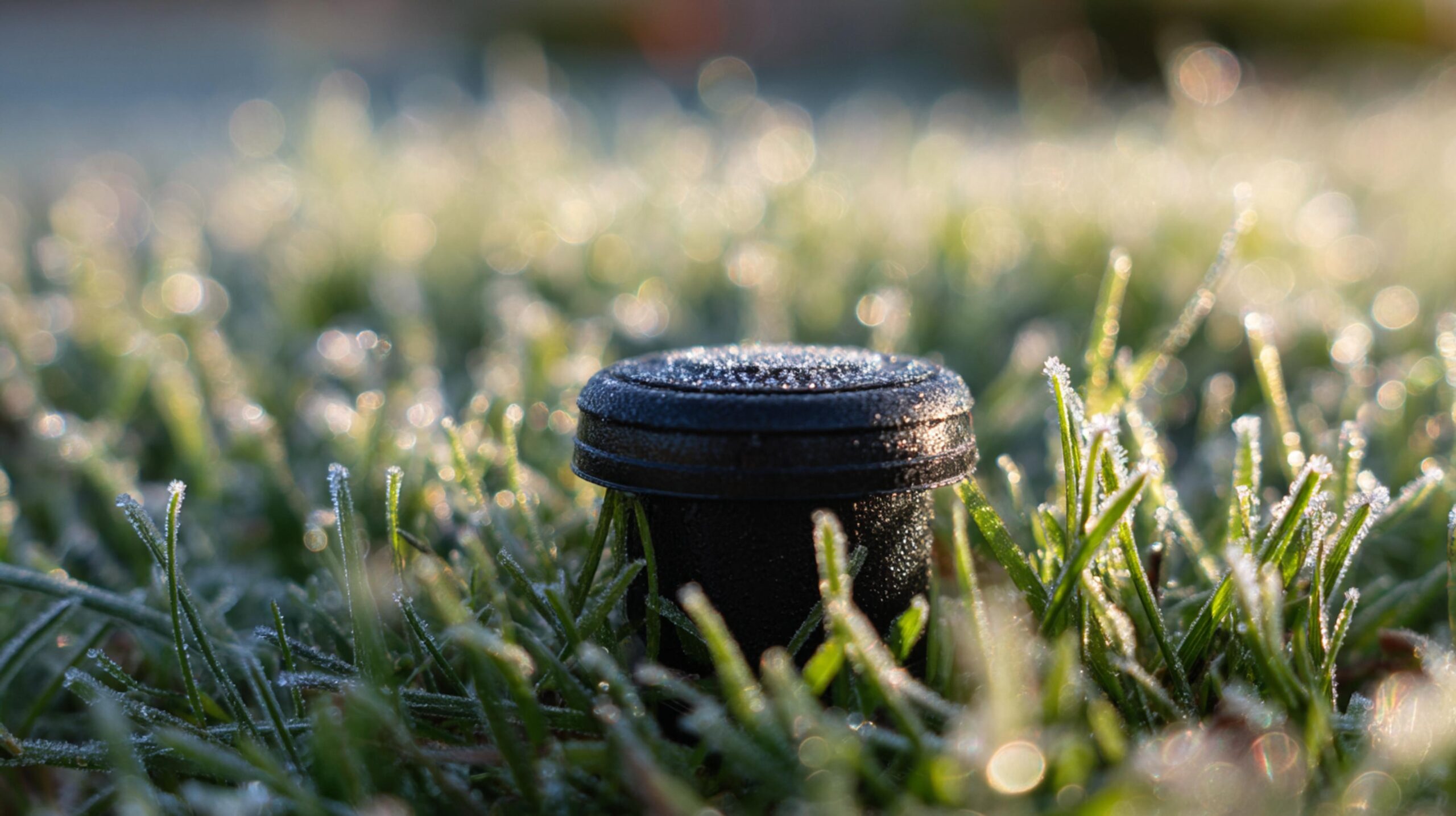
Flipping the switch on the controller stops the schedule, but it doesn’t empty the system. Water stays trapped in your lines, valves, and sprinkler heads. When temperatures drop in Maple Ridge, that water freezes, expands, and causes damage. You just won’t find out about it until you turn everything back on in spring.
What happens when you simply turn off the sprinklers?
It is easy to assume that once the sprinkler controller is switched off, the system is ready for winter.
The problem is that “off” does not always mean “empty.”
Your irrigation system can still have water sitting inside:
- Turning off the irrigation water supply
- Checking the system layout
- Removing water from irrigation zones
- Protecting exposed components
- Checking valves and manifolds
- Preparing backflow equipment
- Adjusting the irrigation controller for the off-season
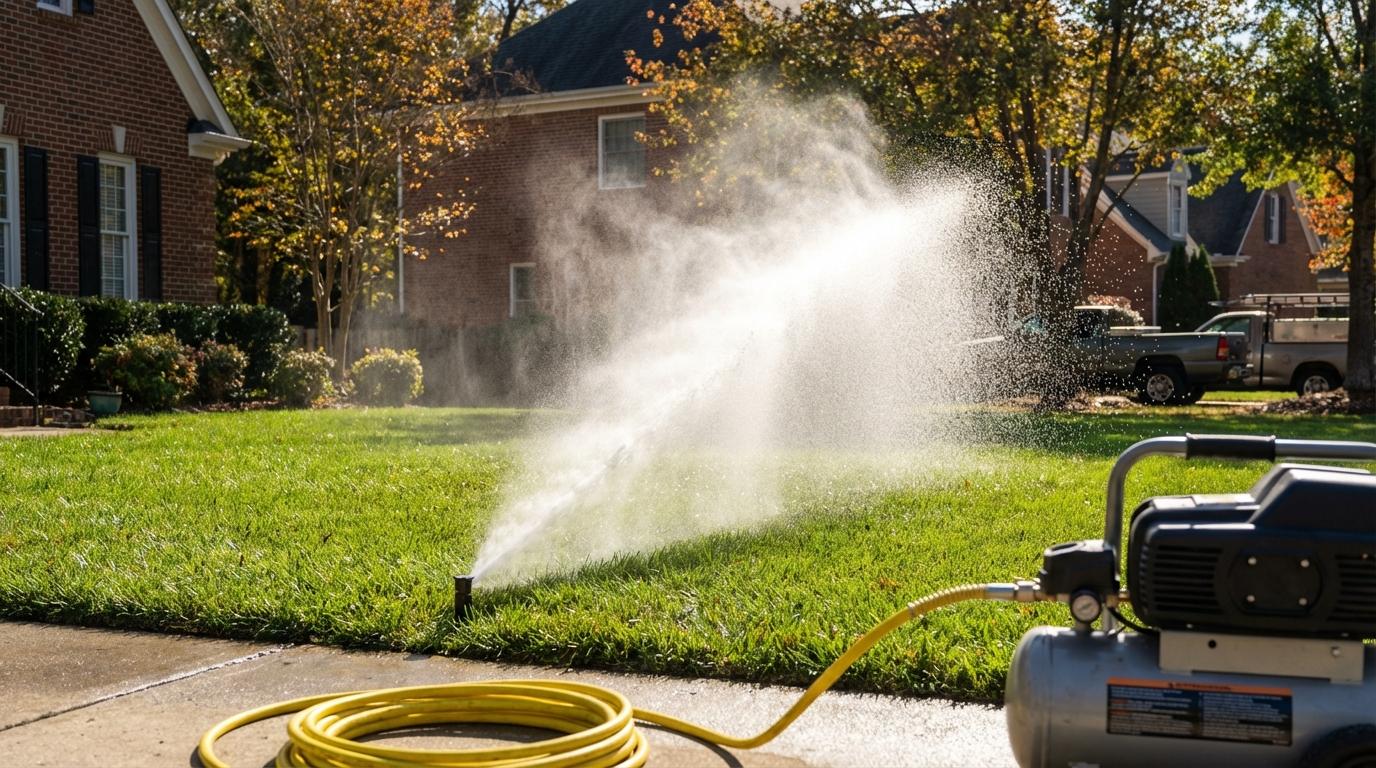
A professional Irrigation Winterization in Maple Ridge may use compressed air to clear water from each zone. The pressure and air volume need to suit the system, because using the wrong pressure can damage irrigation components.
This is the key difference. Turning the system off stops watering. Winterization prepares the system for the weather.
When should you winterize your irrigation system in Maple Ridge?
Fall. That’s the short answer. Before the freezing temps become a regular thing.
And honestly, when to shut down your irrigation is one of the most common questions homeowners have when fall rolls around. The key is to get it done before freezing weather sets in. Waiting too long can lead to a few problems:
- Your system is exposed. Once temps drop, you're gambling with your pipes, valves, and sprinkler heads.
- Booking gets harder. Everyone else is trying to shut down their systems at the same time. You'll be stuck waiting.
- The damage may already be done. If water's already frozen in there, you're not preventing anything, you're just assessing the mess.
So plan your fall irrigation shutdown before that first hard freeze. Not after.
A few systems need extra attention:
- Multi-zone setups
- Exposed piping
- Backflow equipment
And don’t just circle a date on the calendar. The timing shifts every year. Watch the forecast. If you see a stretch of freezing weather coming, that’s your cue. Better to be a little early than sorry.
What does a sprinkler winterization service actually do?
A proper sprinkler winterization is not simply a quick switch-off.
One common method is an irrigation blowout. Compressed air is used to push water out through the sprinkler zones.
The process may include checking:
Irrigation zones
Each zone can hold water in different parts of the system. A zone-by-zone approach helps make sure water is not simply left behind in a section of the network.
Sprinkler heads and valves
Sprinkler heads, rotors, sprays, and valves can all be affected by trapped water. These components should be included in the shutdown process.
Backflow equipment
Backflow preventers can be exposed to freezing conditions and need proper winter preparation. Where backflow testing or certification is required, it should be handled by an appropriately certified tester.
Controller settings
The controller can also be placed in the correct seasonal setting so the system does not accidentally start watering during winter.
Can you winterize an irrigation system yourself?
Some homeowners do attempt DIY winterization.
The biggest concern is using equipment incorrectly. A sprinkler blowout is not simply a matter of forcing as much air as possible through the pipes. Different systems use different pipe materials and components, and excessive pressure can cause damage. Air volume also matters when clearing water from the lines.
If you know your system well and have the right equipment and instructions, you may be able to handle some basic shutdown tasks. However, the actual blowout can be more complicated than it first appears.
This is especially true for:
- Large multi-zone systems
- Older irrigation systems
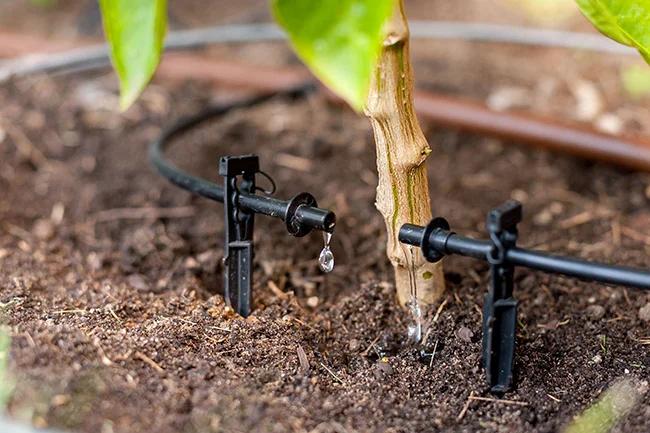
- Drip irrigation
- Commercial landscapes
- Strata properties
- Systems with exposed backflow equipment
What if you miss the first freeze?
Do not assume that a missed freeze means the system is already ruined.
If your irrigation system has not been winterized, arrange an inspection and shutdown as soon as possible. A technician can check the system and help reduce the chance of further freeze-related problems.
It is also worth checking for signs of damage before the system is used again.
Look for things such as:
- Cracked sprinkler heads
- Leaking valves
- Damaged fittings
- Unusual water loss
- Broken or split pipes
- Areas of the lawn that become unexpectedly wet
Catching a problem early can make spring maintenance much easier.
Does winterization help with spring start-up?
Yes. A properly shut-down system is generally easier to inspect and restart when the watering season begins.
Spring is already busy for homeowners. The last thing you want is to turn on your irrigation and discover several damaged components at once.
Good winter sprinkler maintenance can reduce the chance of arriving in spring with hidden freeze damage. It can also make the seasonal start-up process smoother.
That is one reason seasonal irrigation care works best as a cycle: prepare the system before winter, then inspect and restart it properly in spring.
What should you do before your irrigation winterization appointment?
A few simple steps can make the service easier.
Make sure the irrigation controller and main shut-off area are accessible. If your system has backflow equipment, keep that area easy to reach as well. Also point out any zones that have been leaking, broken, or not working properly.
If parts of the system are behind a gate, make sure there is access on the day of the appointment.
These small details can save time and help the technician spot existing problems before winter.
Quick Takeaways
- Turning off your sprinkler timer does not necessarily remove water from the irrigation system.
- Trapped water can freeze and put pressure on pipes, fittings, valves, and sprinkler components.
- A proper seasonal irrigation shutdown involves more than switching off the controller.
- The best time to plan your Irrigation Winterization in Maple Ridge is generally in fall, before regular freezing conditions arrive.
- Proper winter preparation can make the spring irrigation start-up easier.
The Bottom Line
Shutting off the sprinklers is a good start. But it doesn’t mean your system is actually ready for winter. Water can still be sitting in the lines and components, and when it freezes, things break. A proper seasonal shutdown gets that water out and sets you up for the colder months.
The idea is simple: don’t wait until the first freeze to figure out whether you did it right. A little prep in the fall saves you from surprise repairs when you turn everything back on in spring.
Not sure if you need a full winterization? Kinsley Irrigation can take a look. We’ll assess your system and get it ready for winter so you’re not stressing about it when the temperature drops.
FAQs
Nope, not usually. Flipping the switch on the controller stops the watering schedule—but it doesn’t get rid of the water already sitting inside your pipes, valves, sprinkler heads, and all those other little parts. That trapped water is the problem.
It’s basically using compressed air to blast water out of the whole irrigation system. People do it as part of winter prep to keep pipes and components from freezing and cracking. Pretty straightforward.
Fall. Before the freezing temps settle in for good. If you wait until there’s ice on the windshield every morning, you’re already cutting it close. Book it ahead of that first hard freeze.
Absolutely. Water gets inside, freezes, expands—and that’s how you end up with cracked sprinkler heads, busted valves, split fittings, and other annoying (and expensive) problems.
It can be, yeah. Drip lines and zones can hold water just like regular sprinkler systems. Whether you need a full blowout or something different depends on how your system was installed. Not all drip setups are the same.
Don’t just cross your fingers and wait for spring. Get someone out there to check and winterize the system as soon as you can. The longer you wait, the more chance there is for damage to get worse.