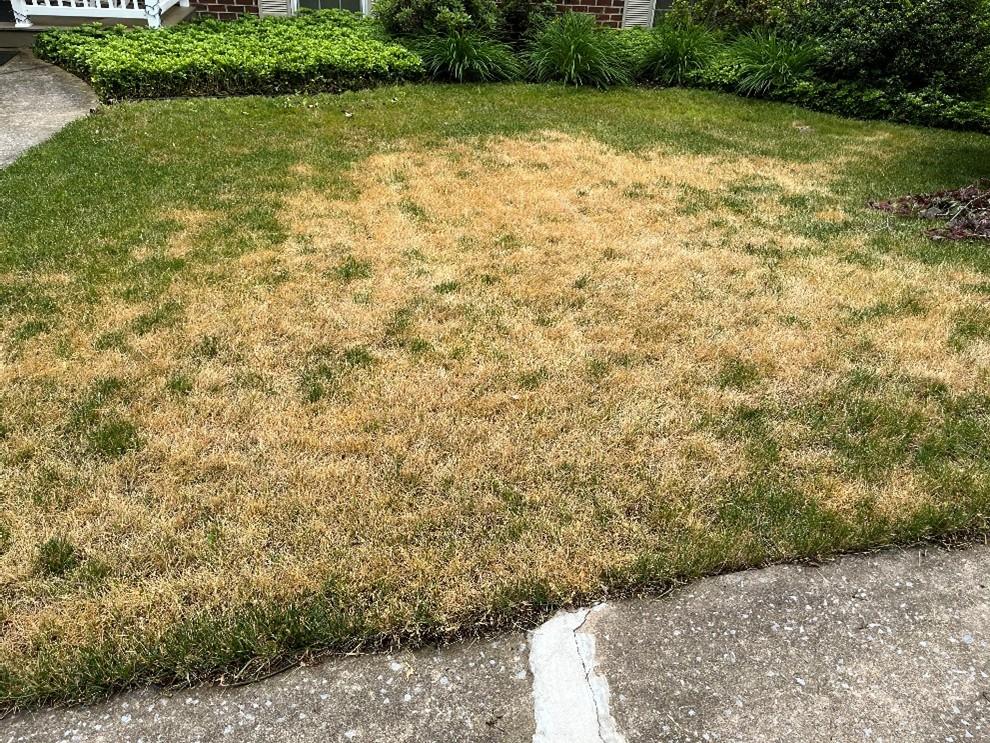
You know that one patch of grass in your strata complex that just won’t cooperate? No matter what anyone does, it stays brown. Everything else around it is green and lush, but that one spot, maybe near the walkway, under a big tree, or smack in the middle of the courtyard, looks dead. You water it more. You throw fertilizer at it. You try everything. Nothing. And the complaints keep rolling in.
We see this all the time out here in Maple Ridge and the surrounding spots. Most strata irrigation systems Maple Ridge properties rely on were put in years ago, and honestly the fix is usually way simpler than property managers think. You just have to know what you’re looking for.
What’s actually happening with your sprinklers
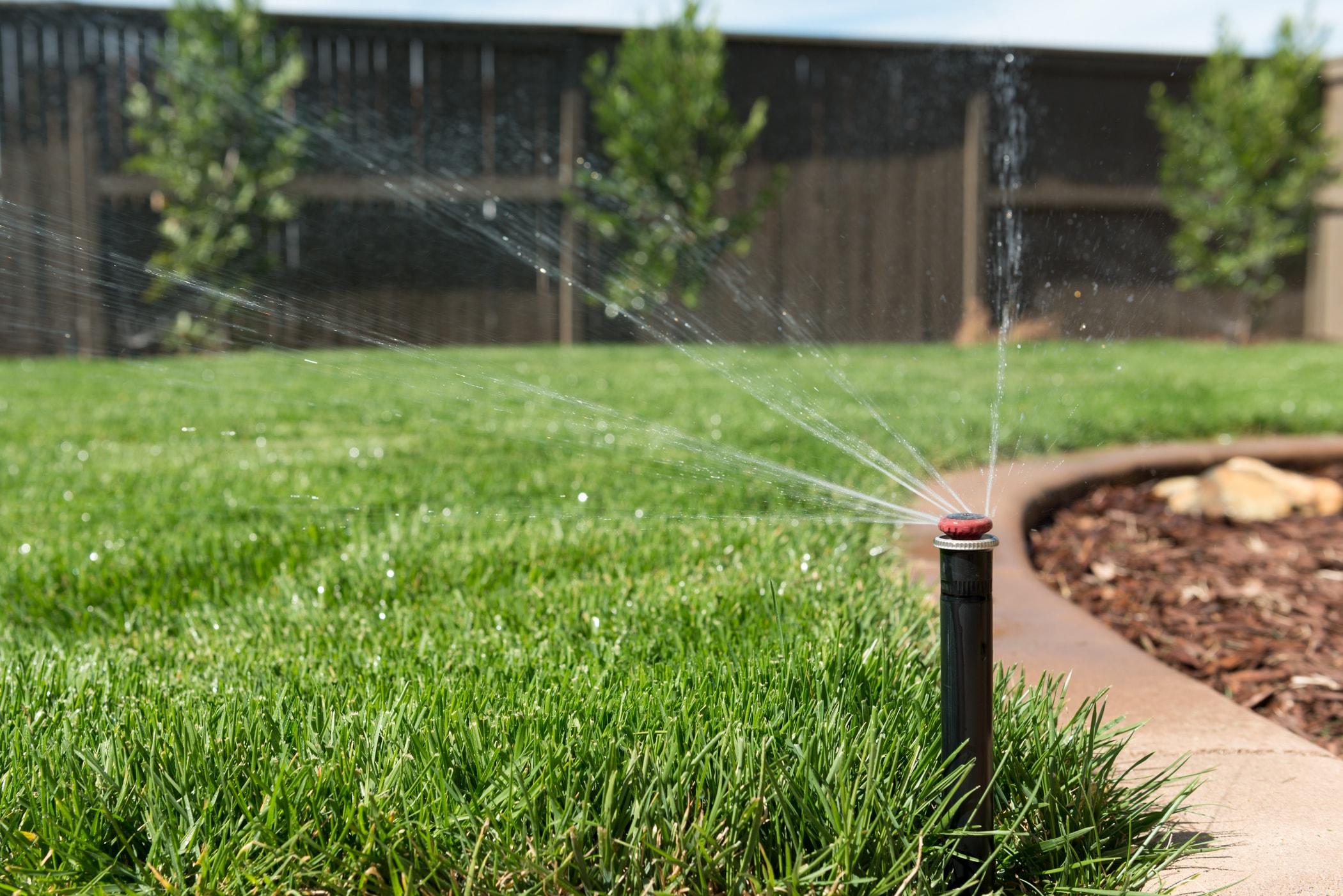
When you watch your irrigation run, it seems like water’s hitting everywhere nice and even. It almost never is. I mean, not even close.
The biggest reason those brown patches show up is lousy coverage. Your system can look like it’s doing the job, but some spots get way too much water, and right next to them, another area gets next to nothing. That dry grass suffers, and you see it.
This happens a ton on strata properties where the system was put in ages ago, got half-heartedly adjusted after some new landscaping, or just never got set up right for the weird shapes and corners of the common areas.
What usually goes sideways
Broken heads. This is constant. A lawnmower clips one, a resident accidentally steps on it, or it just gets old and falls apart. Once a head’s toast, that little patch it was supposed to cover goes dry.
Clogged nozzles. Dirt, minerals from the water, they build up inside and mess with the spray pattern. A partially clogged head might spit water, but it won’t reach where it needs to.
Heads that are tilted. Over time they get knocked off-kilter. Even a slight lean means the water goes the wrong way, and you end up with a dry spot right beside the head.
Low water pressure. When pressure dips and it often does when everyone’s watering at the same time, the heads don’t pop up fully or the spray doesn’t carry far enough. That creates gaps.
Wind. On breezy days, the water drifts off target. One area gets drenched, another stays bone dry.
Heads buried in overgrown grass or shrubs. The landscaping grows and swallows the sprinkler. The spray hits the back of a plant and never makes it to the lawn.
Weird-shaped lawn bits. Those narrow strips or awkward corners are a pain to water. Sprinklers usually overshoot and dump water on the sidewalk instead of the grass.
When the sprinklers aren’t the problem
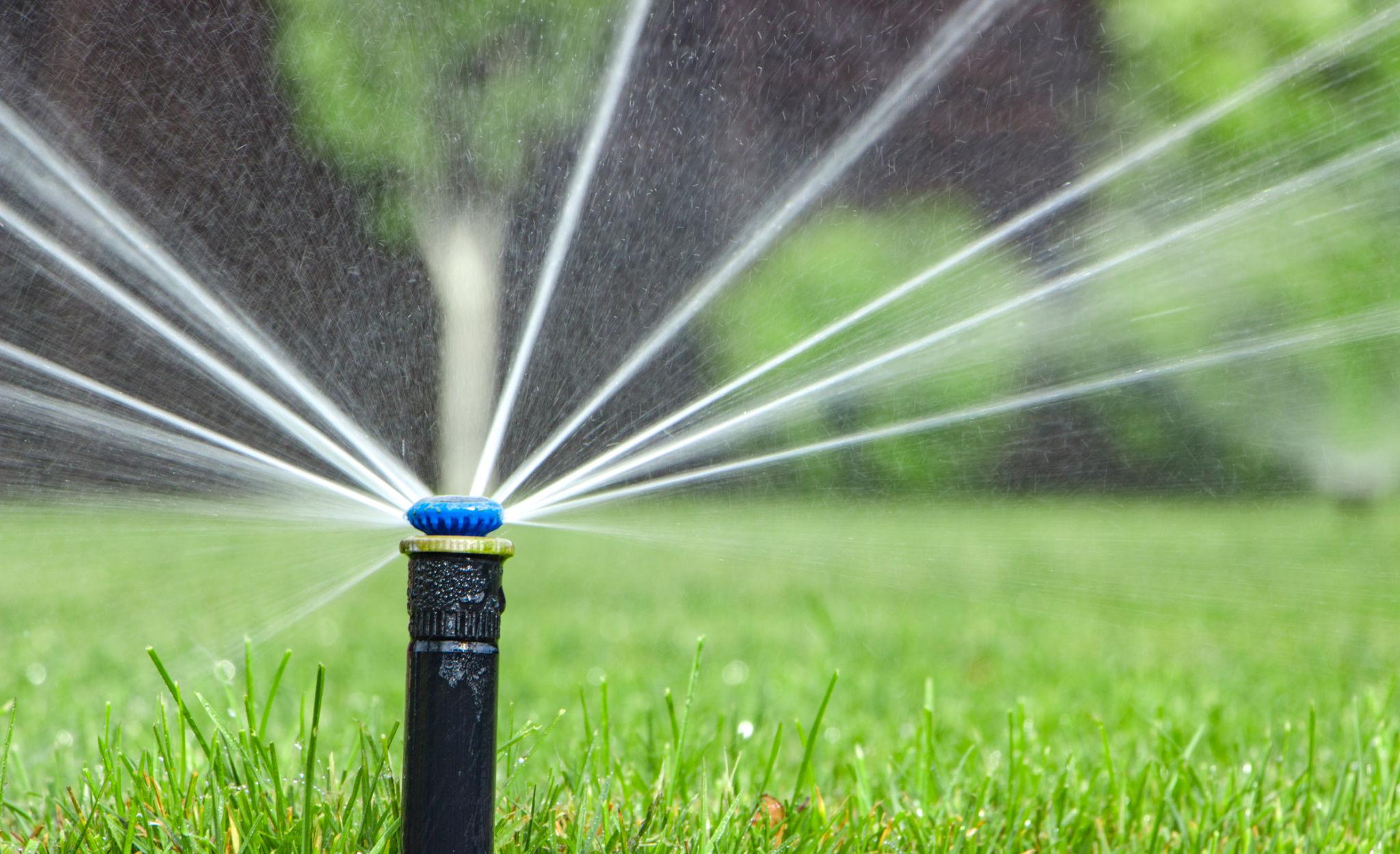
Sometimes your system’s actually doing fine, but that brown patch is still there. So what gives?
Compacted soil
High-traffic areas near entrances, pathways, or hangout spots can get pounded into concrete-like hardness. Water just runs off the top instead of soaking in. Roots stay shallow, grass fries fast.
Tree roots muscling in
Big trees in common areas have huge root networks that steal water and nutrients from the grass. You’re watering enough, but the tree’s drinking it first.
Fungus
Brown patch and other turf diseases love it when the grass stays wet for too long. Watering in the evening, or too often, sets up a perfect fungus party.
Grubs and bugs
Chinch bugs, grubs, sod webworms, they chew on the roots and leave dead spots that look exactly like drought damage.
Dog pee
Shared green spaces get hit hard in certain spots. Some areas just can’t catch a break.
Thick thatch
That spongy layer of dead grass and roots soaks up water before it ever hits the soil. The grass underneath stays thirsty.
How to figure out what’s wrong
Don’t just guess. Try this simple process before you throw money at the problem.
Watch the sprinklers run. Turn on each zone by hand and look carefully. Where is the water actually going? Spot broken heads, tilted ones, or dry areas. If water’s spraying onto a path or a building wall, that’s water not reaching the lawn.
Do the tuna can test. Grab a bunch of empty tuna cans (or any straight-sided containers). Put them in a grid over the brown and green areas. Run the sprinklers for a set amount of time, then measure what’s in each can. If the brown patch got way less water, you’ve nailed the issue.
Test the soil. Take a screwdriver and try pushing it into the dirt in both areas. Easy in the green, tough in the brown? That’s compaction.
Dig down a bit. Scoop down a few inches. Dry soil = not enough water reaching it. Wet soil with dead grass? Might be overwatering, disease, or bugs. Speaking of things that silently drain strata budgets, there’s a whole landscaping mistake that costs strata communities thousands we unpacked in another post, worth a read if you’re dealing with dead patches that won’t quit.
Look for patterns. Circular dead patches with a darker ring usually scream fungus. Scraggly dead spots by walkways or big trees tend to be compaction or root competition.
What actually works to fix it
Once you know what you’re dealing with, here’s the game plan.
- Swap out broken heads. If they’re damaged, replace them. Don’t just tweak.
- Clean clogged nozzles. Pop them off and let them soak in vinegar to dissolve the gunk.
- Straighten tilted heads. Make sure they stand tall and spray in the right direction.
- Fix the coverage. If water’s sailing past the lawn, switch to smaller nozzles or adjust the arc.
- Try high-efficiency nozzles. Multi-stream or rotary ones give you more even coverage and shrug off wind better.
- Dethatch if needed. Scrape up that dead layer so water doesn’t get trapped on top.
- Treat disease or bugs. If you confirm them. Don’t just start spraying chemicals blind.
- Get a smart controller. These things adjust watering on their own based on weather, rain, and season. They stop you from underwatering or drowning the lawn.
What we do at Kinsley Irrigation
Kinsley irrigation have been around Maple Ridge and the neighbouring areas for years, keeping strata common areas looking alive and green. We know exactly why those stubborn brown patches hang around, and we know what fixes them for good.
When you bring us in, you get:
An irrigation audit. We go over your whole system, find the coverage gaps, check how each zone’s performing, and tell you what needs fixing, adjusting, or upgrading.
Repairs and troubleshooting. Broken heads, cracked valves, leaky pipes, whatever’s causing dry spots, we sort it.
Smart controller upgrades. We put in smart controllers, rain sensors, and weather-based scheduling to cut water waste and make your life easier.
Seasonal start-ups and winterization. We fire the system up in spring, do a performance check before summer hits, and shut it down properly in fall so nothing freezes and breaks.
Maintenance plans. Regular checkups and seasonal tweaks catch little problems before they turn into a brown-patch disaster.
Water restriction planning. We help you set schedules that keep you compliant with Metro Vancouver and GVWD rules, so there’s no hassle.
Questions we get asked a lot
Almost always it’s uneven watering. A busted head, one that’s tilted, a clog, or low pressure will leave a dry spot while everything else gets enough. But don’t rule out compacted dirt, tree roots, fungus, or dog pee.
Watch the sprinklers in action. If the brown spot stays dry, it’s irrigation. If it gets wet but still looks dead, dig into soil compaction, thatch, disease, or bugs. A quick catch-can test will also show exactly how much water each area’s getting.
Look for broken, clogged, or leaning heads first, replace or adjust. If you still have gaps, high-efficiency multi-stream nozzles can make a world of difference. For bigger complexes, a proper irrigation audit reveals the hidden problems.
Yeah. It adapts watering based on real weather and seasons, so you don’t under-water and cause dry spots, or overwater and encourage fungus. It’s one of the most effective upgrades.
At least seasonal: start-up in spring, a mid-summer look, and winterizing in fall. Regular checks catch a tilted head or a clog before residents start complaining.
If you’ve checked the system, aerated, ruled out disease and bugs, it’s time for a pro audit. There could be something less obvious; poor original design, a hidden leak underground, or zone mapping mess-ups you’d never spot on your own.
Bottom line
That stubborn brown patch is your lawn trying to tell you something. Most of the time, it’s a water-coverage problem; a broken head, clog, or poor spray pattern leaving one area gasping while the rest drinks up. But it could also be rock-hard soil, greedy tree roots, fungus, or a bunch of other things. Figuring out the real cause before you toss money at it is everything.
We’ve been right here in Maple Ridge and the surrounding spots for years. We know the dirt, the weather, the local watering rules, and what actually works.Over the years we’ve tuned up enough strata irrigation systems Maple Ridge managers trust us to keep their grounds green without the guesswork. If you’re sick of battling that one dead patch and the resident complaints that come with it, give us a call. We’ll figure it out and get it sorted.